Pitting, Rake Angles, and Selecting the Correct 997 Glass
Low-slung sports car aerodynamics create a persistent problem on 911 forums: severe windshield sandblasting. The upright stance combined with track debris and highway grit leaves high-mileage cars with dense, starry pitting that creates blinding glare when driving directly into the sun. When replacing this glass, navigating the factory revisions is critical. Porsche issued multiple superseded part numbers across production, stepping from 997-541-911-13 up through 997-541-911-19 and settling on 997-541-911-21, alongside aftermarket NAGS benchmarks in the FW02580 and FW02581 part families.
Optical clarity is the biggest talking point among enthusiasts. Many drivers complain of wavy peripheral vision along the tight curve of the A-pillars when low-grade aftermarket replacements are used. The genuine factory supplier, Saint-Gobain Sekurit, sets a high bar with an acoustic and solar attenuation interlayer tinted green, paired with an optional gray or green top shade band. The glass must also match your car's exact build: standard cars run clean upper perimeters, while optioned models integrate complex radio antenna traces laminated between the panes, plus dedicated mountings for rain sensors and navigation aerials.
Rain Sensor Gel Pads, Edge Mouldings, and Cowl Fitment
The rain-sensing automatic wiper setup on these cars relies on an optical prism held against the windshield inside a factory-bonded mounting boss. If this prism is mounted dry or with a damaged optical gel pad, the infrared light refracts incorrectly, causing erratic wiper sweeps or total system failure. Whenever I replace glass on a rain-sensor-equipped car, using a fresh gel pack (Porsche kit 000-043-305-24) ensures bubble-free optical transmission so the wiper stalk functions as intended without throwing module faults.
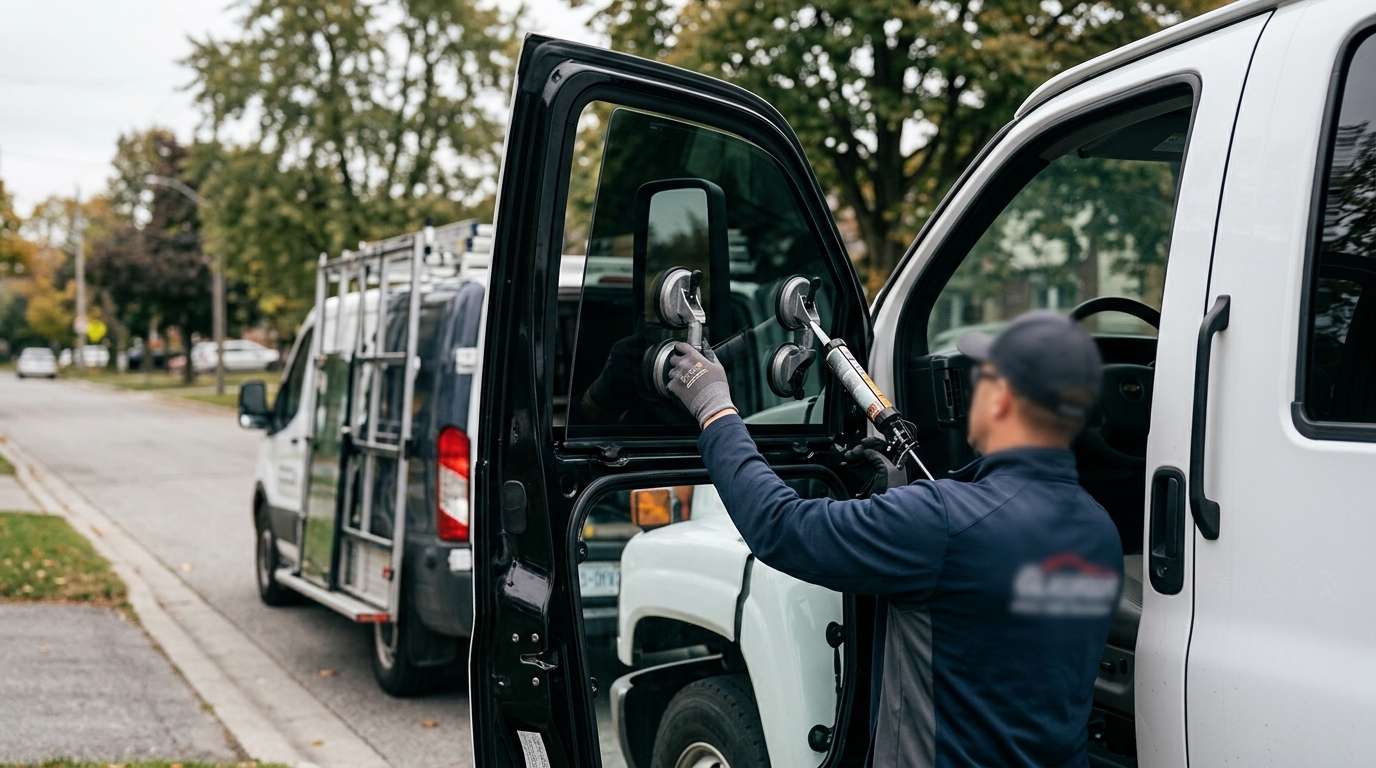
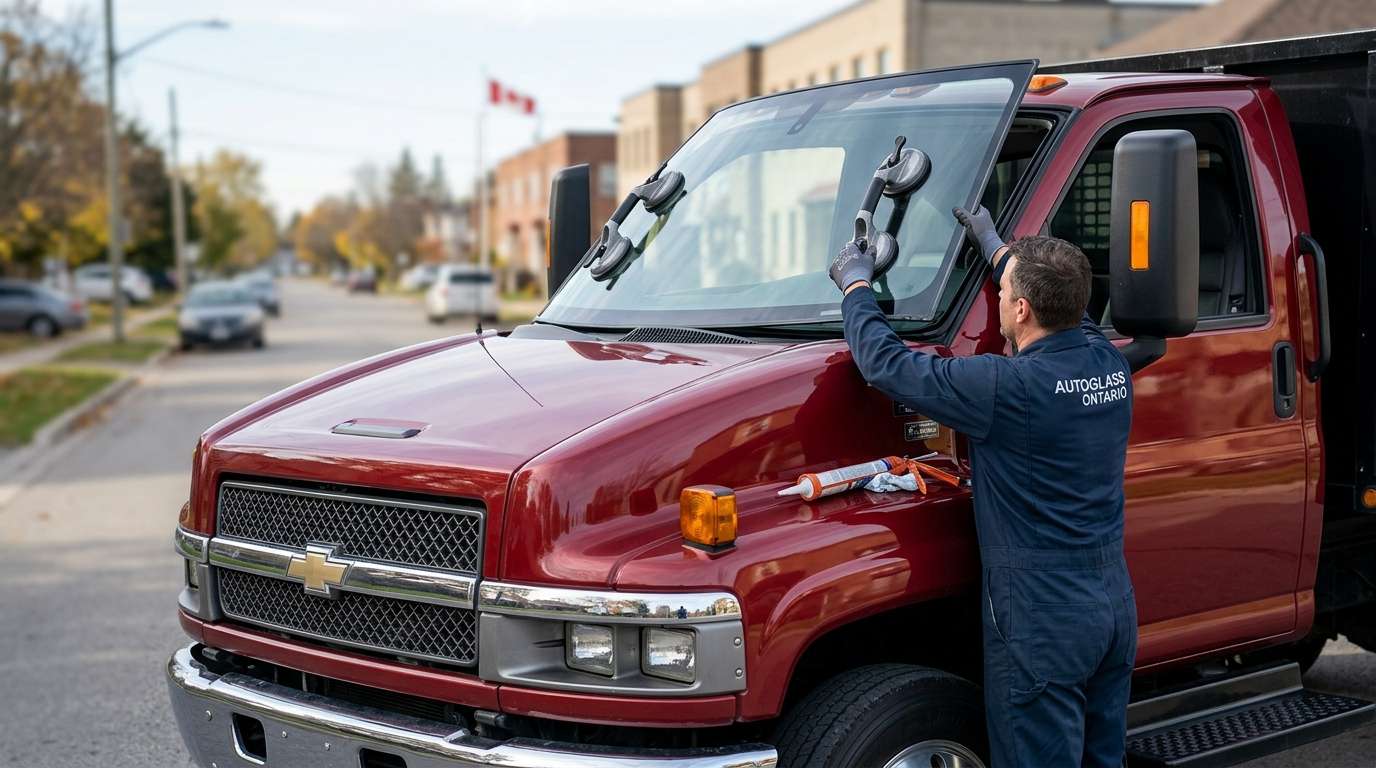
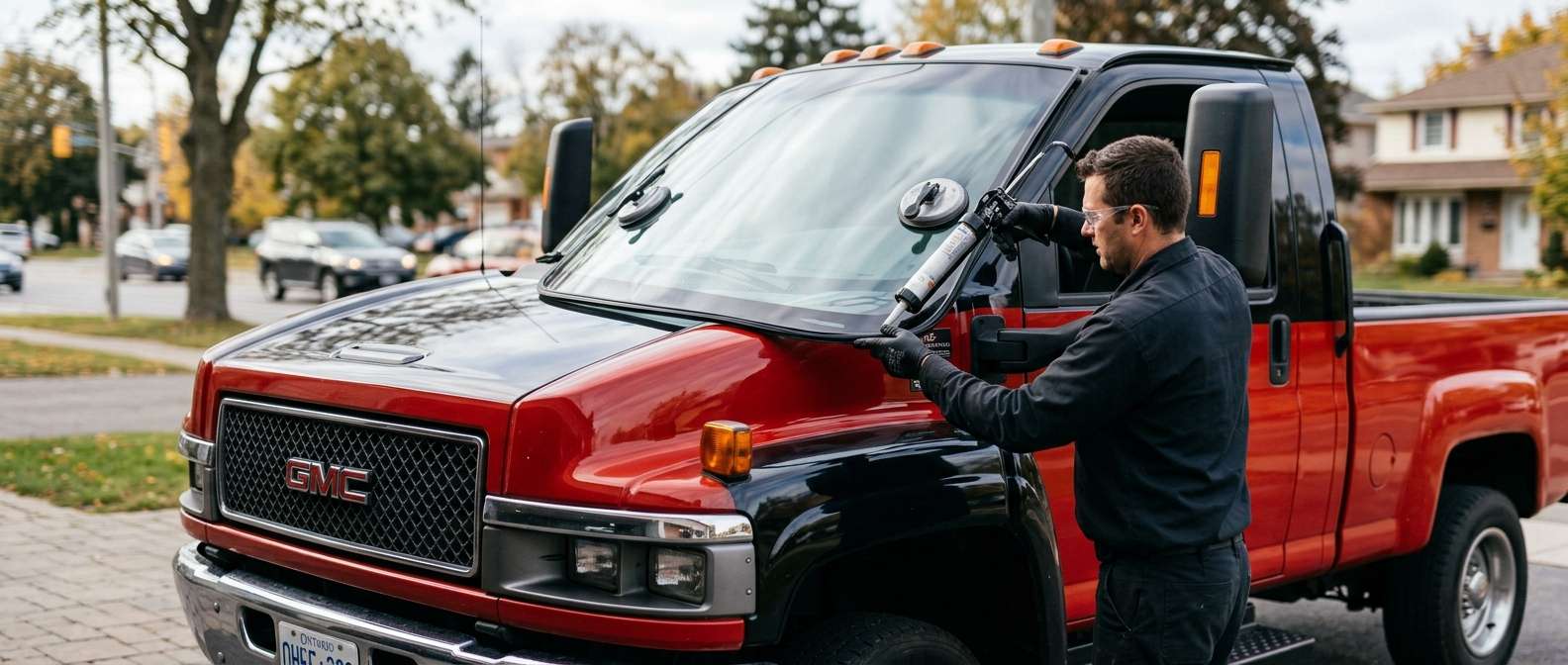
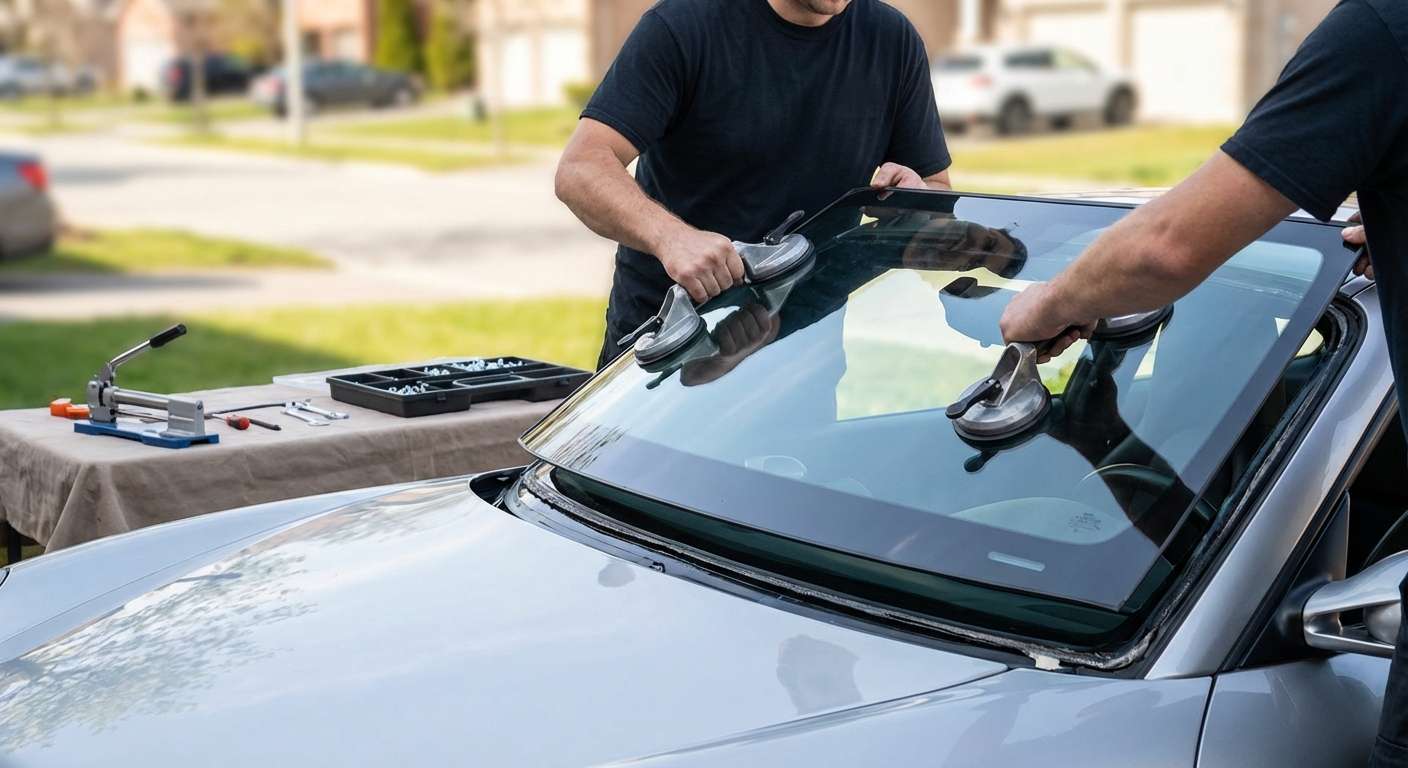
Exterior trim alignment requires strict attention to the perimeter seal, part number 997-541-901-11. This flexible rubber channel wraps directly around the perimeter of the glass, bridging the gap to the roof panel and A-pillars. Coupes and Cabriolets feature distinct header interfaces along the top edge, meaning convertible bodies demand precise seated depth so the upper seal sits flush against the soft-top header without whistling at high speed. Because track sessions and weekend drives cannot wait on long shop backlogs, I typically pull up to your garage about an hour after you set up the appointment to get the glass sorted.
At the base of the glass, the plastic cowl water deflector interfaces directly with the lower windshield edge to route rain clear of the cabin air intake and wiper transmission. Realigning these plastic trays and torquing the dual wiper arms precisely back onto their splined pivot shafts prevents mechanical binding and protects the bottom edge of the new glass from stress cracks.
Can I add a rain-sensing windshield to a car built without one?
Physical fitment is identical, but the wiper control module will not recognize the rain sensor simply by plugging it in. The vehicle must be hooked up to a Porsche PIWIS diagnostic tool to recode the front control unit from intermittent delay to automatic rain sensing.
Why does my AM/FM radio reception drop after glass replacement?
The primary radio antenna wire is laminated directly into the windshield glass rather than mounted on an exterior whip. If a replacement pane lacks the integrated antenna trace or if the delicate lead connector behind the A-pillar trim is left unplugged, radio reception drops significantly.
Why did the rearview mirror bracket detach from my windshield?
Extended sun exposure and interior heat cycles break down the original factory adhesive holding the metal mirror boss to the glass. Replacement windshields come pre-fitted with a bonded bracket to eliminate the failure-prone mirror glue repairs common on older original panes.