Subaru Impreza Sunroof Lid Sizing and Trim Interchanges
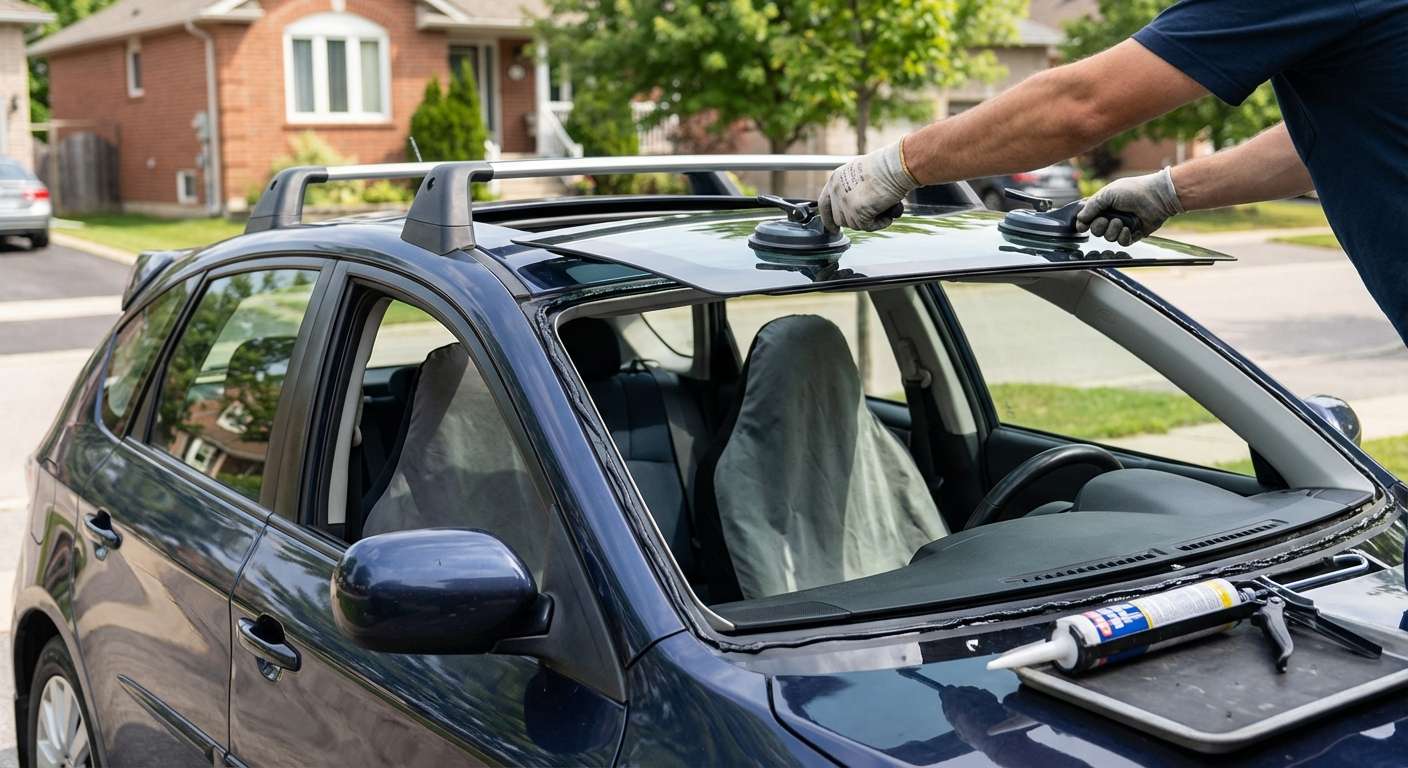
Replacing the sunroof glass on this Impreza era involves an identical glass lid whether you drive the four-door sedan or the five-door hatchback, stretching across the standard naturally aspirated models all the way up to the turbocharged WRX and STI variants. While base 2.5i models came with a bare metal roof skin, Subaru fitted the power tilt-and-slide glass moonroof as factory equipment on Premium, Limited, and GT trims. Under the metal, the glass panel measures roughly 33 7/8 inches wide by 17 3/4 inches long, referenced under dealer part number 65430FG000 and later superseded by 65430FG010. The panel itself is dark-tinted tempered solar glass with an integrated lower steel mounting bracket assembly and an outer encapsulated rubber edge seal molded directly onto the perimeter.
Because the panel carries no embedded defroster lines, radio antenna traces, or forward-facing optic sensor brackets, the mechanical interchangeability between a 2008 Impreza Sport and a 2011 widebody WRX hatchback is seamless. However, the assembly does rely on an internal sliding sunshade running underneath inside the ceiling cassette, alongside a spring-loaded pop-up aerodynamic wind deflector mounted along the front metal lip. If your glass is shattered from highway debris, I can usually be at your location about an hour after you get in touch to secure the cabin and swap the damaged panel.
Mounting Hardware, Track Alignments, and Roofline Gaps
Unlike fixed quarter glass or bonded windshields, this moonroof glass sits on the internal mechanical drive shoes using two concealed Torx fasteners on each side. Accessing them requires unfastening the interior plastic side garnish covers snapped over the inner rails. Because the glass relies on these four mounting points rather than a fixed bed of adhesive, leveling the glass accurately against the exterior roof skin is critical. I always adjust the bracket height shims before locking down the fasteners; leaving the leading edge of the glass sitting proud of the roofline creates intense buffeting at highway speeds, while a recessed rear edge invites excessive wind noise into the passenger compartment.
The Impreza slide-and-tilt mechanism uses cast plastic cable guide shoes that slide within extruded aluminum channels. When road debris or shattered glass fragments enter those tracks, the guides are prone to binding, twisting the glass sideways and throwing off the travel stops. Cleaning the rails and verifying that the guide shoes glide freely keeps the electric motor, situated above the overhead map light console, from burning out or popping its internal drive teeth.
Managing Water Intrusion and Cassette Drainage Paths
A common misstep with this roof design is mistaking a clogged channel for a defective glass seal. The perimeter weatherstrip on the glass lid is designed to slow water ingress, but it is not completely watertight against high-pressure wash cycles or heavy sustained rain. Water that slips past the exterior rubber sits in the inner cassette tray and drains out through four dedicated rubber hoses. Two hoses lead down the A-pillars toward the lower rocker cavities, while the rear pair routes down through the C-pillars.
Over several seasons, the factory outer seal tends to harden, shrink at the rear corners, and allow more water through than the tray can handle. If pine needles, road dust, or broken glass shards plug the front drain ports, runoff backs up behind the overhead sunglasses holder and map lamps, eventually dripping onto the center console and soaking the front footwells. Checking and blowing clear the four cassette drain spouts ensures that once the new glass panel is seated and leveled, water exits through the bottom of the body rather than your headliner.