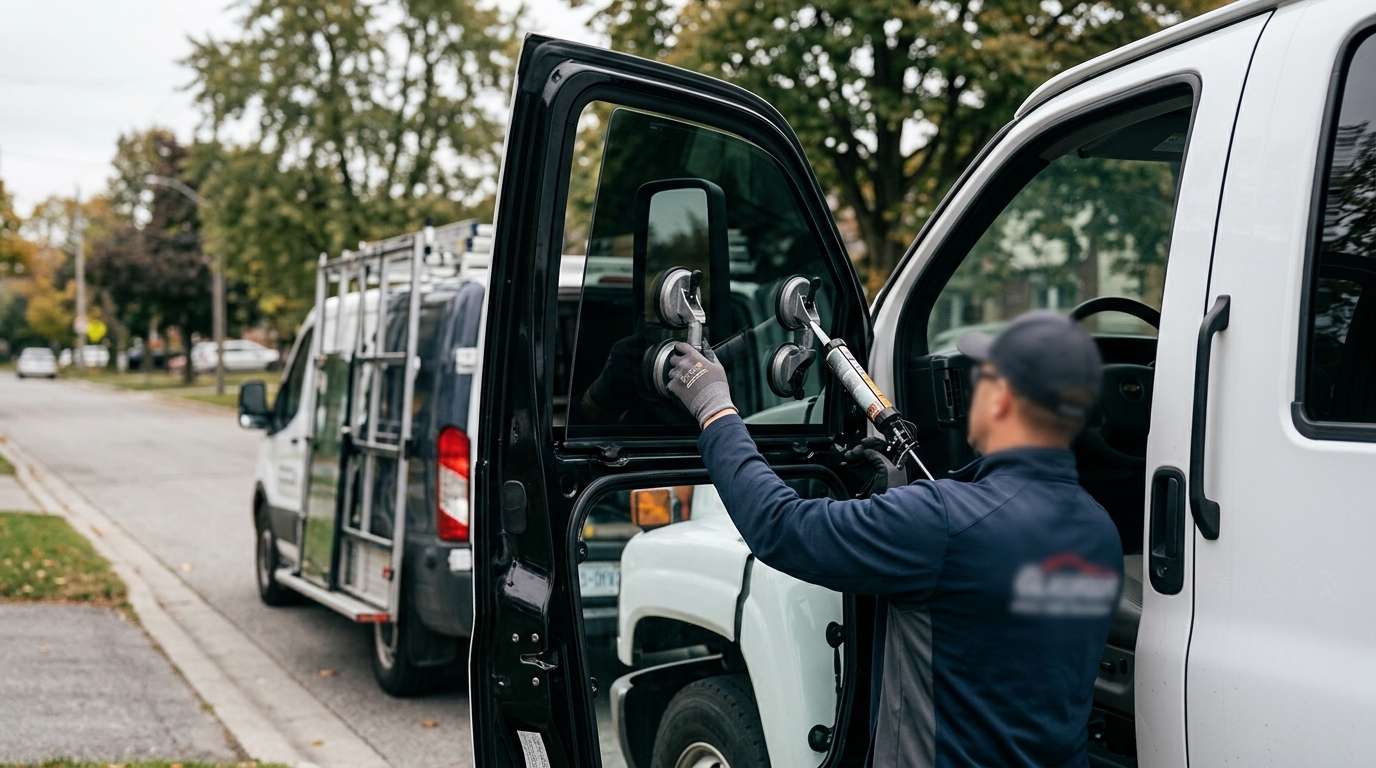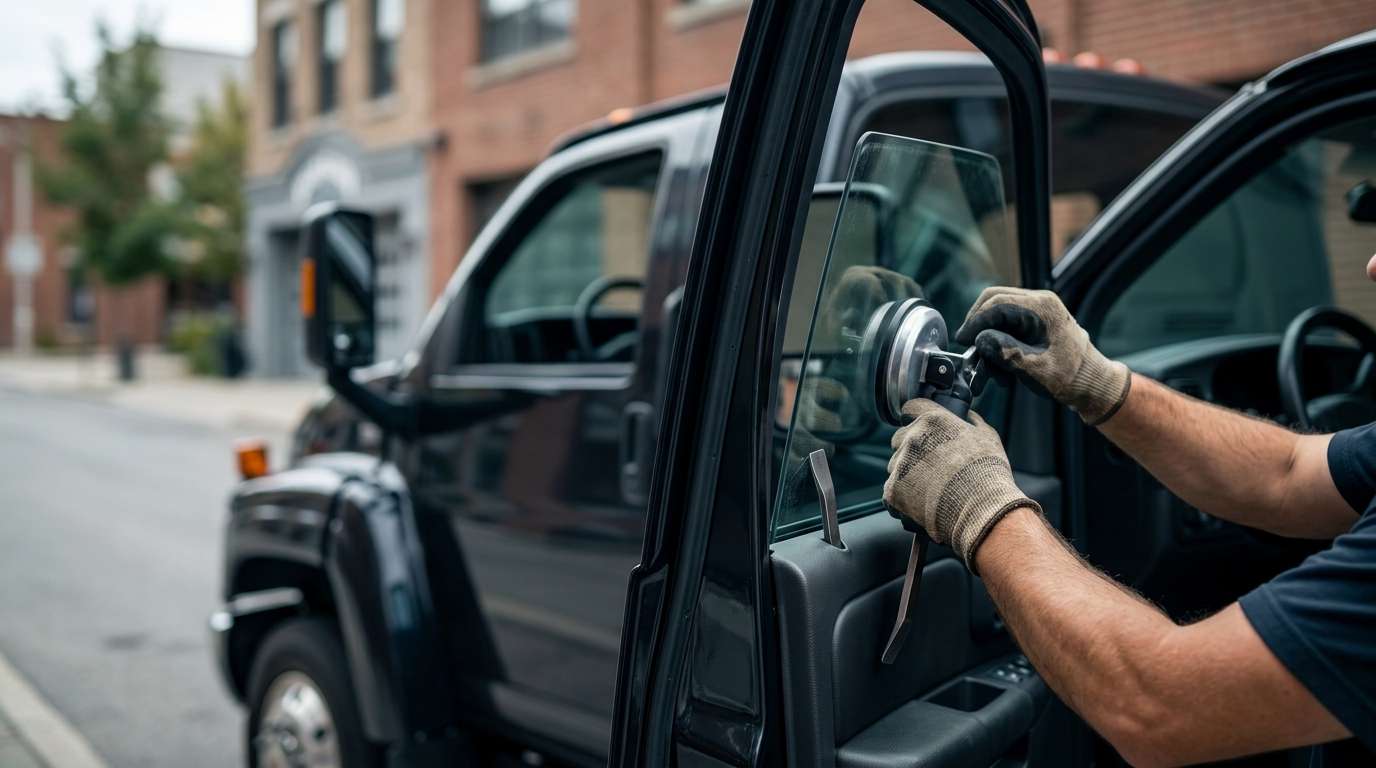
Identifying Your Rio Vent Glass Type and Body Style
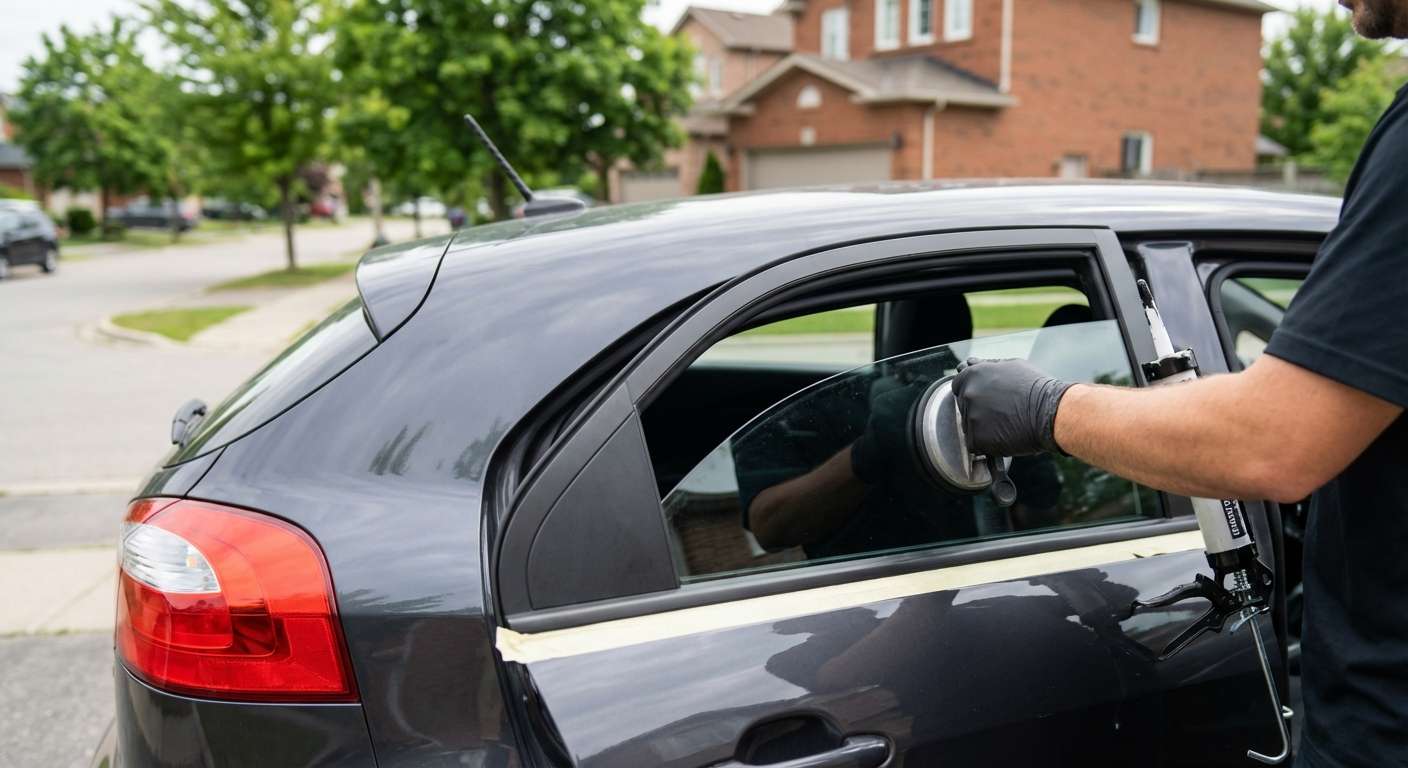
Determining the right replacement panel for your Rio comes down to distinguishing your body configuration and checking the glass tint stamp. If you drive the 5-door hatchback, your rear doors do not have a separate fixed vent window at all; the full window pane drops straight down into the door shell. On the 4-door sedan, Kia isolated the rear quarter area of the door using a vertical division channel (part 83510-1W000 on the left, 83520-1W000 on the right) to frame a small, stationary pane of tempered glass.
Up front, both the hatchback and sedan share stationary A-pillar vent glass encapsulated with perimeter rubber and mounting locator studs (OEM 86170-1W000 for driver side, 86180-1W000 for passenger side). For the rear sedan glass, however, Kia split the production run between standard green-tinted tempered safety glass and solar-control UV-reducing glass. You can identify which glass your car requires by examining the manufacturer's bug printed in the bottom corner of an unbroken original window:
| Glass Location & Style | OEM Reference | NAGS Identification |
|---|---|---|
| Rear Door Vent (Sedan, Standard Green) | 83417-1W010 (LH) / 83427-1W010 (RH) | FV25332GTN (LH) / FV25331GTN (RH) |
| Rear Door Vent (Sedan, Solar Control) | 83417-1W020 (LH) / 83427-1W020 (RH) | FV25334GTN (LH) / FV25333GTN (RH) |
| Front Door A-Pillar Vent (Encapsulated) | 86170-1W000 (LH) / 86180-1W000 (RH) | FV25325 (LH) / FV25326 (RH) |
Hardware and Surrounding Components on UB Platform Doors
The UB generation Rio uses clean, unpowered stationary glass layouts that do not integrate heated defroster grids, embedded radio antennas, or electronic sensors. The front encapsulated unit fastens tight against the forward door sail, while the rear sedan vent glass relies on tension inside the rubber run channel and division bar rather than direct bonding against the outer steel skin.
Because these cars are frequently targeted by thieves breaking the small rear window to access the interior door locks, keeping the original division bar straight is essential. When replacing these panels, I source aftermarket glass exclusively from reliable manufacturers like Pilkington, PGW, FYG, and XYG to guarantee the pane dimensions slide precisely into the factory channel. If the vertical division channel or the lower interior belt weatherstrip gets twisted during a break-in or sloppy replacement, the run channel binds, causing air whistles and allowing moisture to sneak past the seal.
Post-Replacement Inspection Checklist
Once new vent glass is set into your Rio, take a minute to verify the mechanical clearances and weatherstripping alignment around the door structure before putting the vehicle back into daily service:
- Inspect the vertical window division channel to confirm it sits completely parallel with the main door frame, ensuring the roll-down window moves smoothly without catching or binding.
- Check that the rubber run channel weatherstrip is fully seated around the perimeter of the rear vent glass without pinched edges or bunching along the top corner.
- Examine the interior A-pillar sail trim panel on front vent replacements to verify all plastic clips snapped firmly back into place flush with the door card.
- Verify that the factory lower interior belt weatherstrip sits tight and level against the bottom edge of the new glass pane.
- Look closely at the glass tint shade in broad daylight to confirm the new green or solar glass matches the tone of your adjacent roll-down door window.