Window Binding and Breakage Patterns on the Forte
Owners across the Forte discussion boards frequently run into an issue where the side windows crawl upward at a fraction of their normal speed or pinch completely when freezing weather hits. The full-framed upper door design on this car relies on an exceptionally deep rubber run-channel seal. When road grime builds up in that seal or the rubber hardens during cold snaps, the motor strains against the extra friction, often making people suspect the motor is burned out when the glass is simply binding in its track. Another common electrical grievance is the driver-side master switch assembly losing internal contact, cutting off power to specific drop glasses even though the regulator mechanism remains entirely intact.
When impact damage or a break-in does occur, the door glass shatters into thousands of blunt pieces because every trim level—from the bare-bones FE and popular LXS up to the GT-Line, EX, and turbocharged GT—comes fitted with single-pane tempered solar-control glass rather than acoustic laminated sheets. The glass panels carry a very subtle green solar tint straight from the factory, meaning you do not have to worry about matching aftermarket film shades unless your car had custom tint applied over the bare glass.
Inside the Front and Rear Door Assemblies
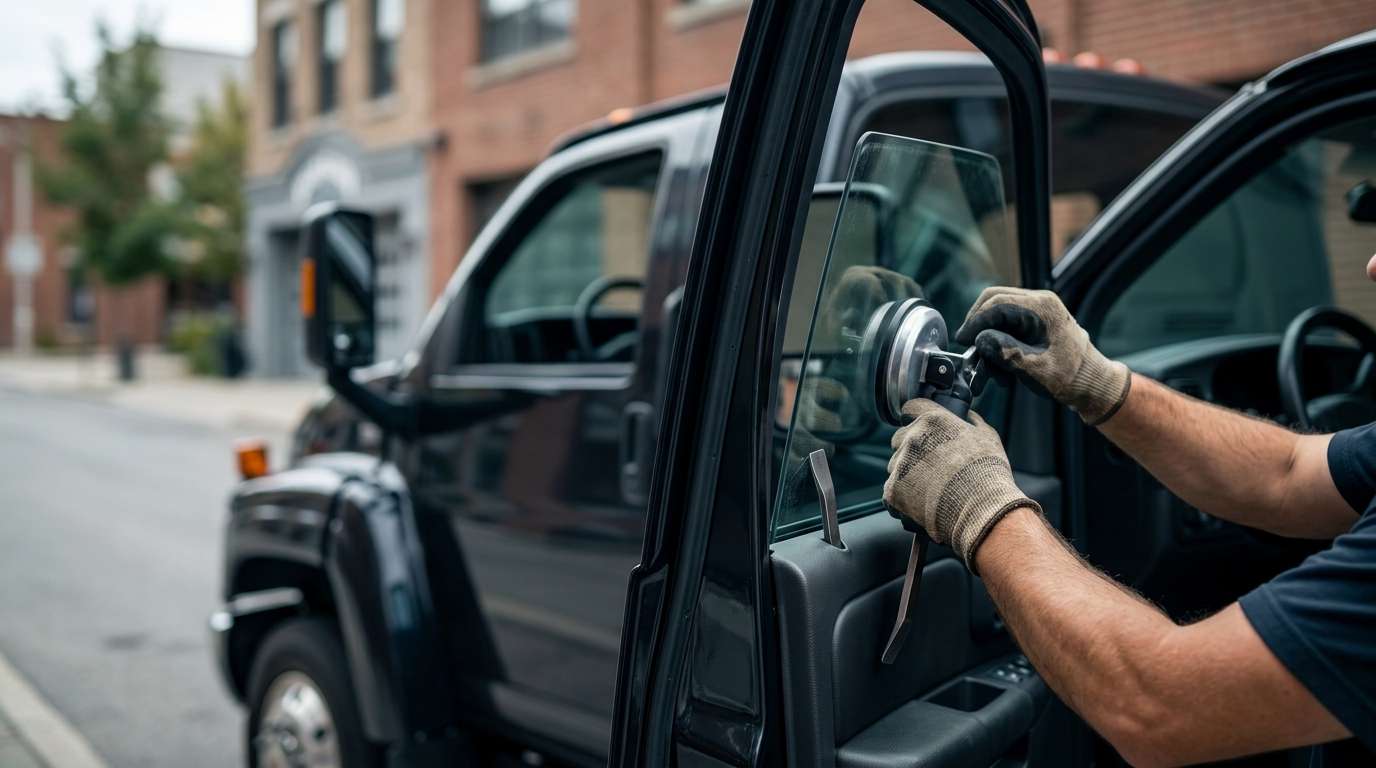
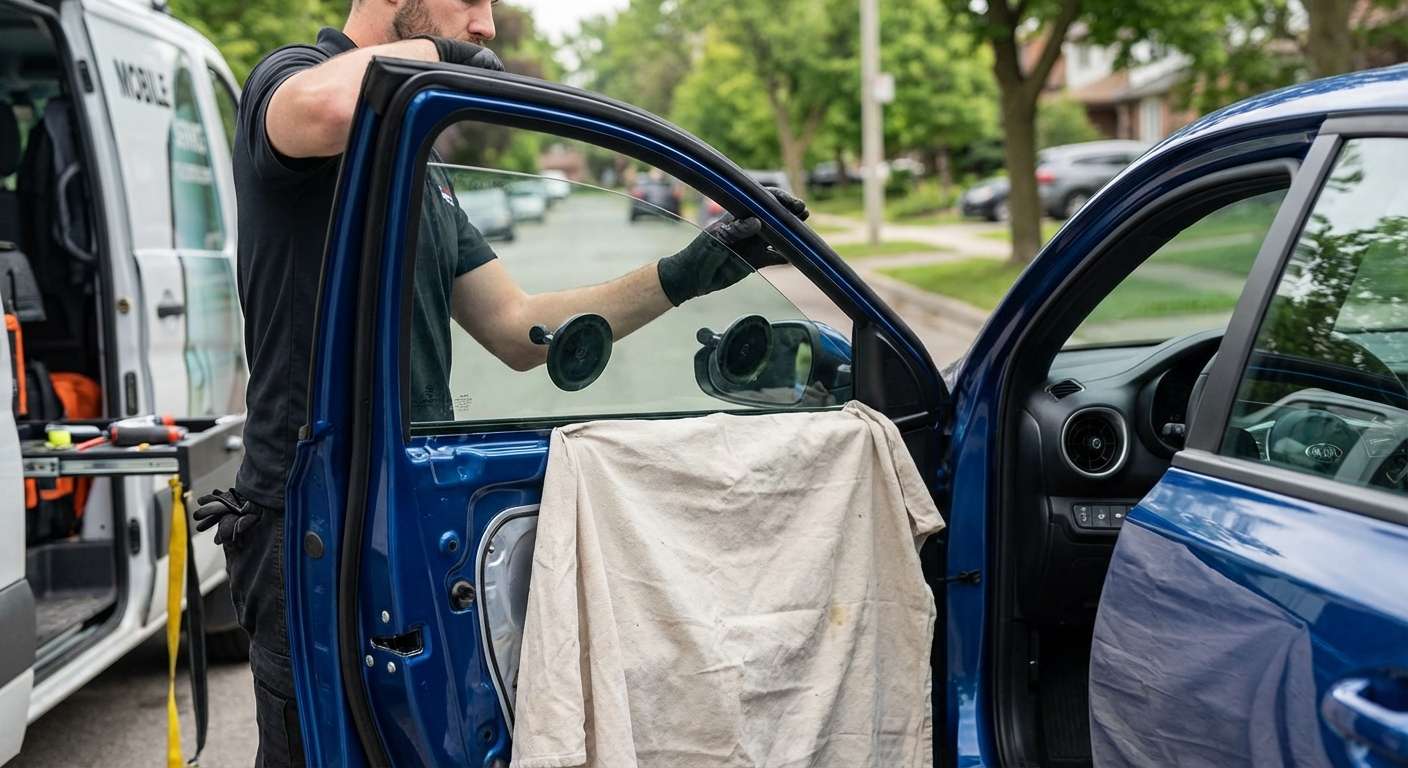
Working on the doors of this car means dealing with a composite carrier module panel hidden directly behind the interior door card. Instead of an open metal frame with simple plastic vapor barriers, the power window regulator mechanism is secured onto this solid inner carrier plate. To reach the lower edge of the drop glass, I work through dedicated service access holes in the carrier to loosen the pressure-clamped retaining clips (which seat with OEM-style retainers like 82413-2W000) that hold the glass directly onto the regulator lifting bracket.
On the rear passenger doors, the architecture changes because of the small triangular quarter glass set into the rear edge of the frame. A steel vertical division bar separates the primary moveable drop glass from that stationary quarter window. Replacing the moveable rear drop glass requires freeing up the division bar so the panel can tilt forward out of the run channel without binding against the upper frame.
| Glass Position | OEM Reference | Key Door Hardware |
|---|---|---|
| Front Passenger (Right) | 82421-M7051 | Composite carrier service ports, clamp clips |
| Rear Driver / Passenger Moveable | 83421-M7020 (RH) | Vertical division bar, lower retainer grips |
| Rear Quarter Fixed Window (Right) | 87820-M6050 | Integrated frame seal, division bar channel |
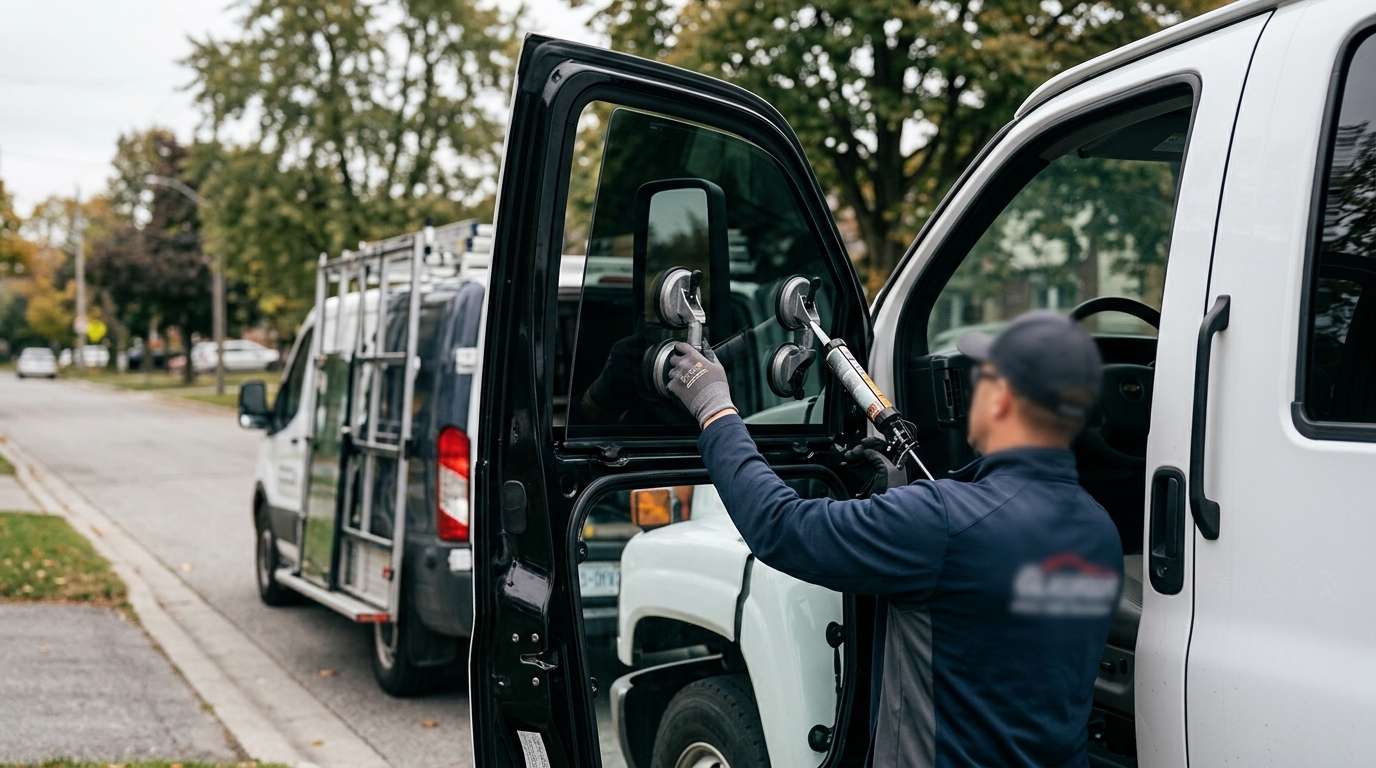
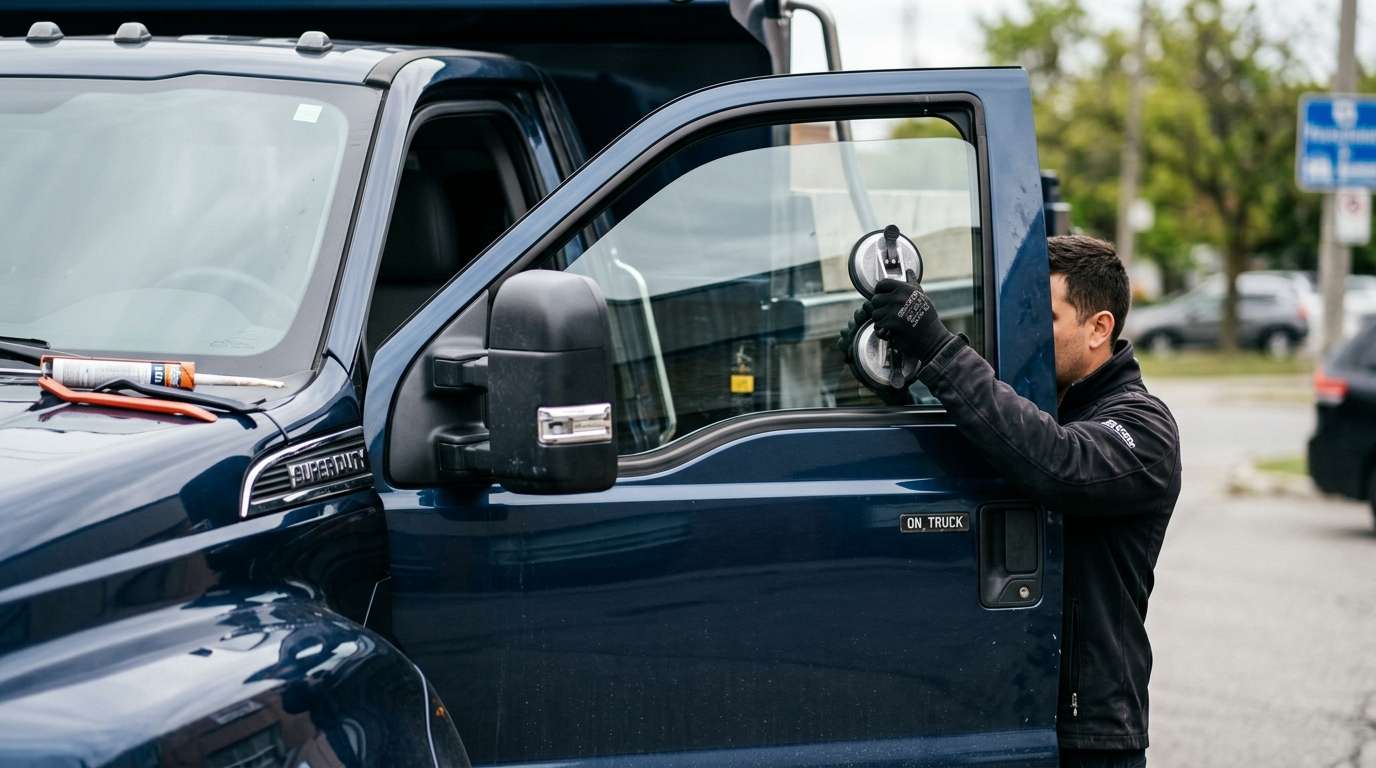
If you have had a window smashed on the street, I can usually be at your vehicle roughly an hour after you schedule the service to get the broken glass cleaned out of the carrier cavity and the opening sealed up. The belt mouldings running along the exterior base of the glass vary depending on your package—entry trims feature standard flat matte black strips, while the GT and GT-Line models use gloss black or bright chrome trim accents that seat tightly against the lower edge of the new glass.
Naming Clarification for the 2019–2024 Platform
There is frequent confusion online regarding part listings that cross-reference the K4 nameplate with this specific model run. South Korea and several overseas markets designated this generation as the K3 or Cerato, while North America strictly badged the car as the Forte through 2024. The actual K4 nameplate is a completely redesigned replacement introduced for the 2025 model year on a wider platform with distinct glass profiles, meaning drop glass and fixed rear quarter panels from the 2019–2024 Forte do not interchange with the subsequent K4 vehicles.