Addressing Wind Rush Around the Fixed C-Pillar Vent Panels
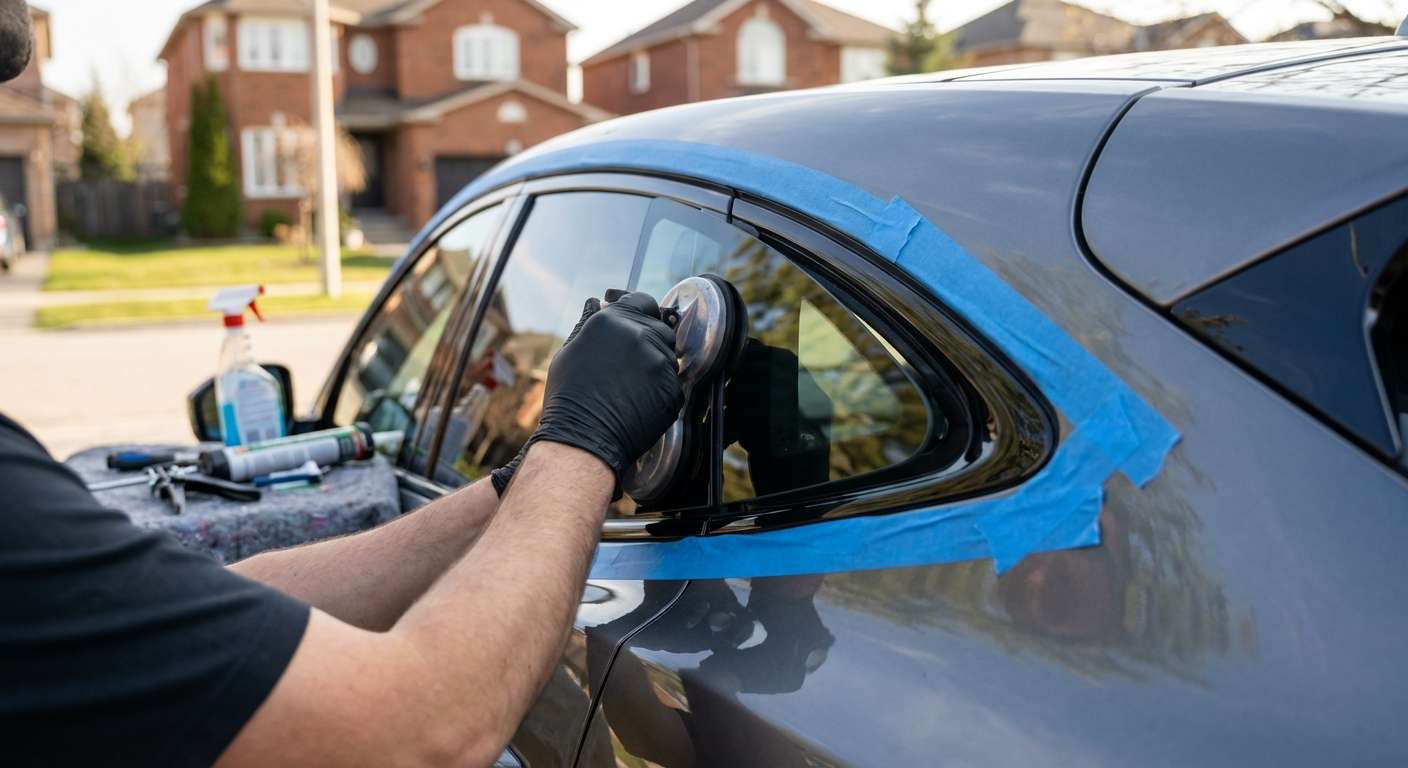
Drivers on Jaguar owner boards frequently bring up an intrusive cabin whistle along the rear roofline, often tracing the annoyance straight back to displaced rubber surrounds on the rear side aperture. Unlike sedans with divider bars inside the door frame, this compact SUV isolates its rear quarter glass—frequently indexed in auto glass catalogs as the rear vent panel—directly into the body stamped behind the rear doors. The glass sits completely stationary in the body aperture, framed tightly by integrated exterior encapsulation that blends immediately into the sweeping sheet metal between the C-pillar and the D-pillar.
Because the drop window in the rear door relies on its own full-frame division channel, the fixed side glass bears the full brunt of turbulent air sweeping off the rear wheel arches and down from the roof rails. If a rock chip or impact compromises this rear quarter panel, or if an older unit has shifted within its aperture, that cabin air seal disappears entirely. Replacing it correctly demands managing the factory encapsulation profile with millimeter precision, as even a minor tilt leaves an uneven reveal against the tailgate shutline and invites steady highway whistling.
Distinguishing X540 Side Glass Options and Trim Surroundings
When preparing the replacement, identifying the exterior appearance package on your X540 vehicle determines which aftermarket unit matches the rest of the profile. Vehicles fitted with the standard exterior package utilize bright chrome beltline mouldings running below the glass edge, whereas vehicles finished with the R-Dynamic Black Pack rely on high-gloss Narvik Black surrounds. The glass itself comes bonded to an integral perimeter moulding that must align seamlessly with either trim variant without pinching the soft exterior weatherstripping.
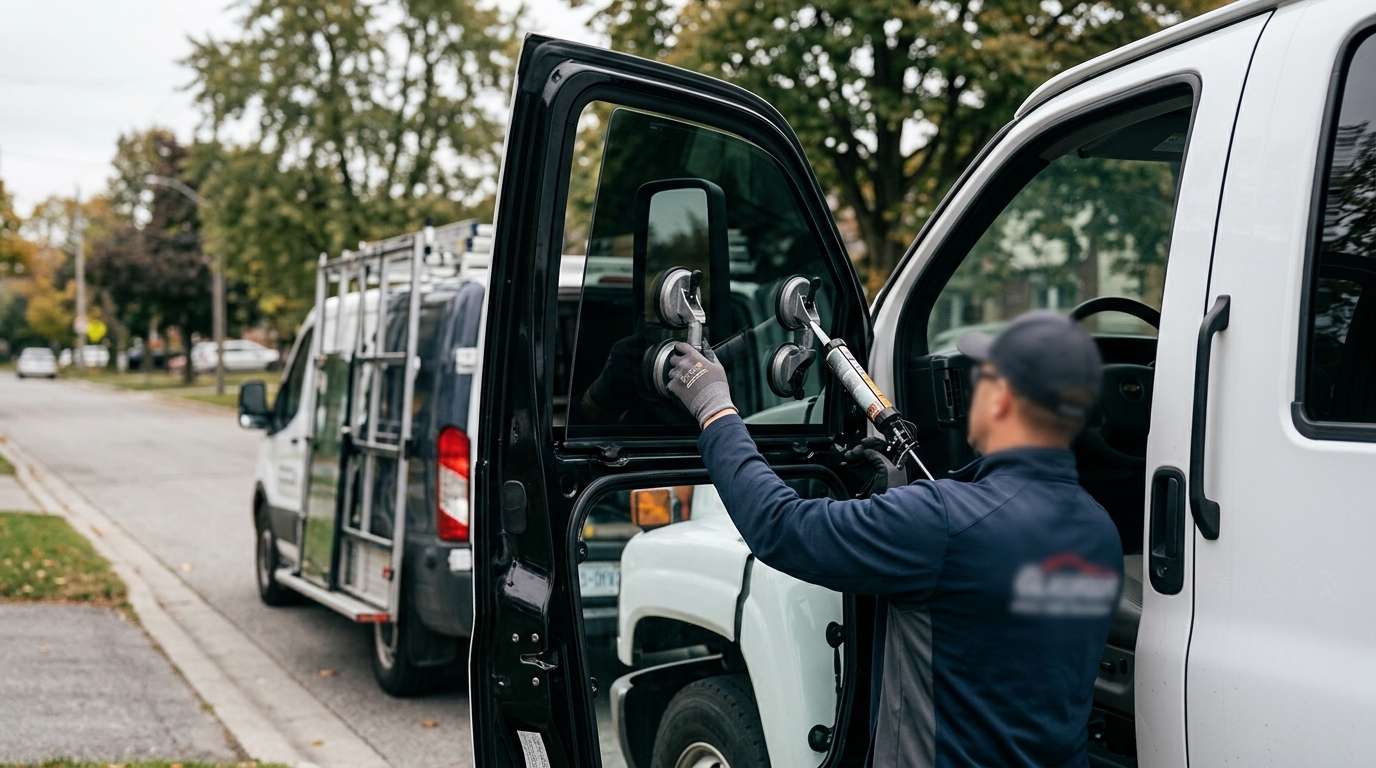
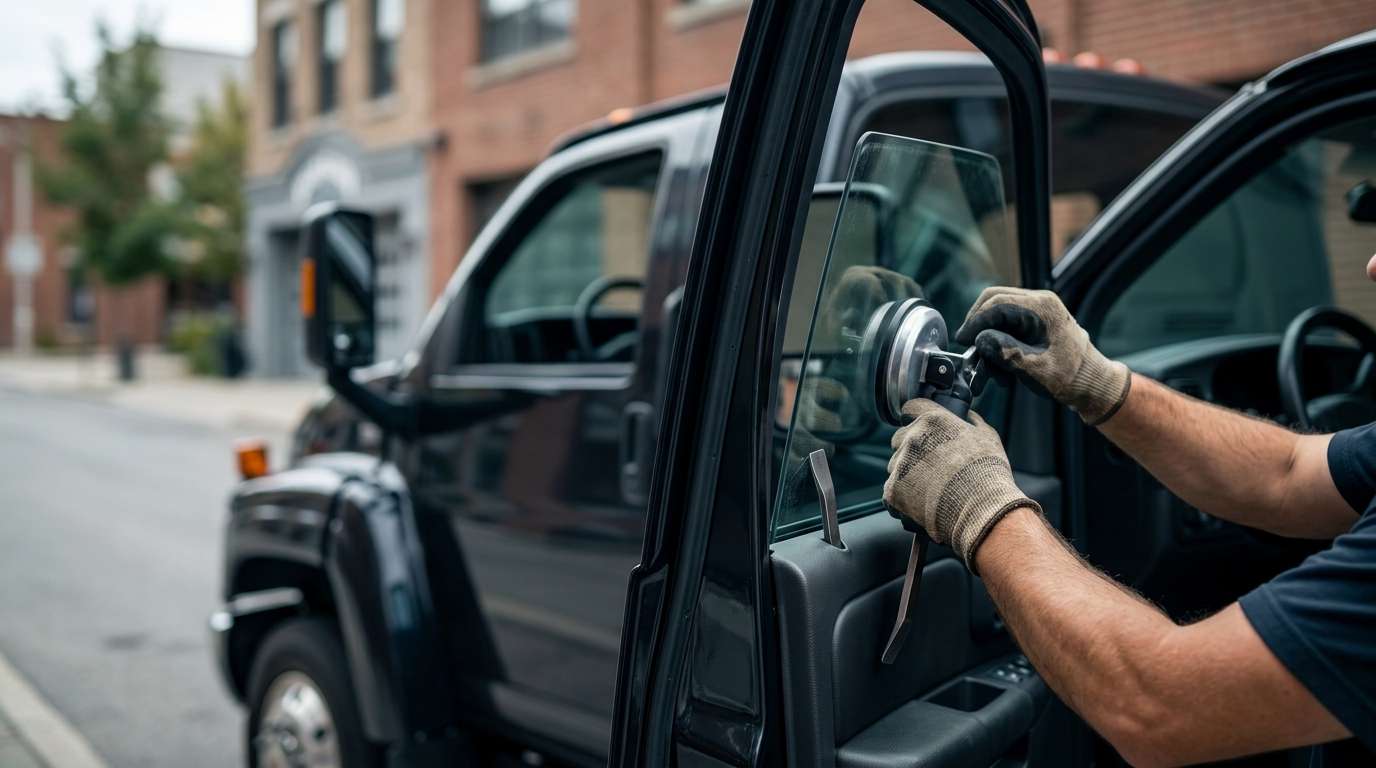
I can usually pull up to your driveway within roughly an hour of your call to inspect the damaged panel and begin work on your vehicle. Matching the tint profile is essential here: Jaguar equips these side vent apertures either in a standard green solar tint or deeply saturated rear dark privacy tint, both of which utilize tempered safety glass engineered specifically for the rear luggage compartment perimeter. The OEM reference J9C41264 for the left-hand position reflects the direct-bond body configuration, which omits mechanical regulator channels, defrost wiring, or optical sensors, though it fits exceptionally close to the internal C-pillar trims and cargo area side liners.
Inspection Steps for the Owner Post-Replacement
Once I have finished seating the new aftermarket side vent panel, take a few minutes to examine these specific areas on the vehicle to confirm the fit is true:
- Encapsulation Height: Run your finger along the upper roofline and C-pillar seam; the rubber surround should sit completely flush with the metal without dipping below the paint or bulging outward.
- Trim Alignment: Verify that the lower edge of the glass lines up horizontally with the bright chrome or Narvik Black beltline trim running off the rear passenger door.
- Cargo Area Interior Liners: Check inside the boot to confirm the rear pillar interior plastic mouldings and side cargo panels are clipped firmly back into their factory positions without gaps.
- Door Seal Clearance: Open and close the adjacent rear door to confirm the rubber door-frame gaskets clear the new fixed panel's forward edge cleanly without rubbing or catching.
- Tint Density Match: Step back several paces to verify that the privacy or solar tint level matches the adjacent drop-glass on the rear door.