Rear Door Division Bar and Vent Seal Complications on the Sonata
Break-ins on this car almost always target the small rear door vent pane rather than the larger roll-down glass, leaving owners to deal with a mess inside the door sash. Many drivers initially look for a body-mounted pane on the rear fender, but this glass is entirely captive within the rear door frame. Because it sits beside the motorized drop-glass separated by a vertical metal division bar and run channel guide, replacing the shattered pane means addressing the inner door components rather than just popping a glass onto the exterior pillar.
A frequent problem I see on these NF sedans involves the molded rubber weatherstrip channel that envelops the perimeter of this triangular window. Over years of exposure, this rubber gasket hardens and seats tightly against the division bar guide. If the vertical division bar is bent during forced entry or loosened without care, it distorts the track for the main movable window, creating friction every time the power regulator lifts the glass. Rebuilding the sash requires realigning that metal division post so the roll-down glass moves freely without binding against the vent seal.
Aftermarket and OEM Part Matching for NF Rear Vent Windows
Hyundai produced these panels in standard green tint as well as a solar-control composition designed to reject cabin heat. While original dealership inventory was cataloged under OEM numbers like 83417-3K000 or solar variant 83417-3K010 for the driver side, and 83427-3K000 or 83427-3K010 for the passenger side, I source and fit exact aftermarket replacements that mirror the factory dimensions and green UV tint.
| Glass Position | NAGS Benchmark | Hyundai OEM Reference | Features |
|---|---|---|---|
| Rear Left (Driver Side) | FV22650 GTN | 83417-3K000 / 83417-3K010 | Tempered, Solar Green, Gasket-Mounted |
| Rear Right (Passenger Side) | FV22649 GTN | 83427-3K000 / 83427-3K010 | Tempered, Solar Green, Gasket-Mounted |
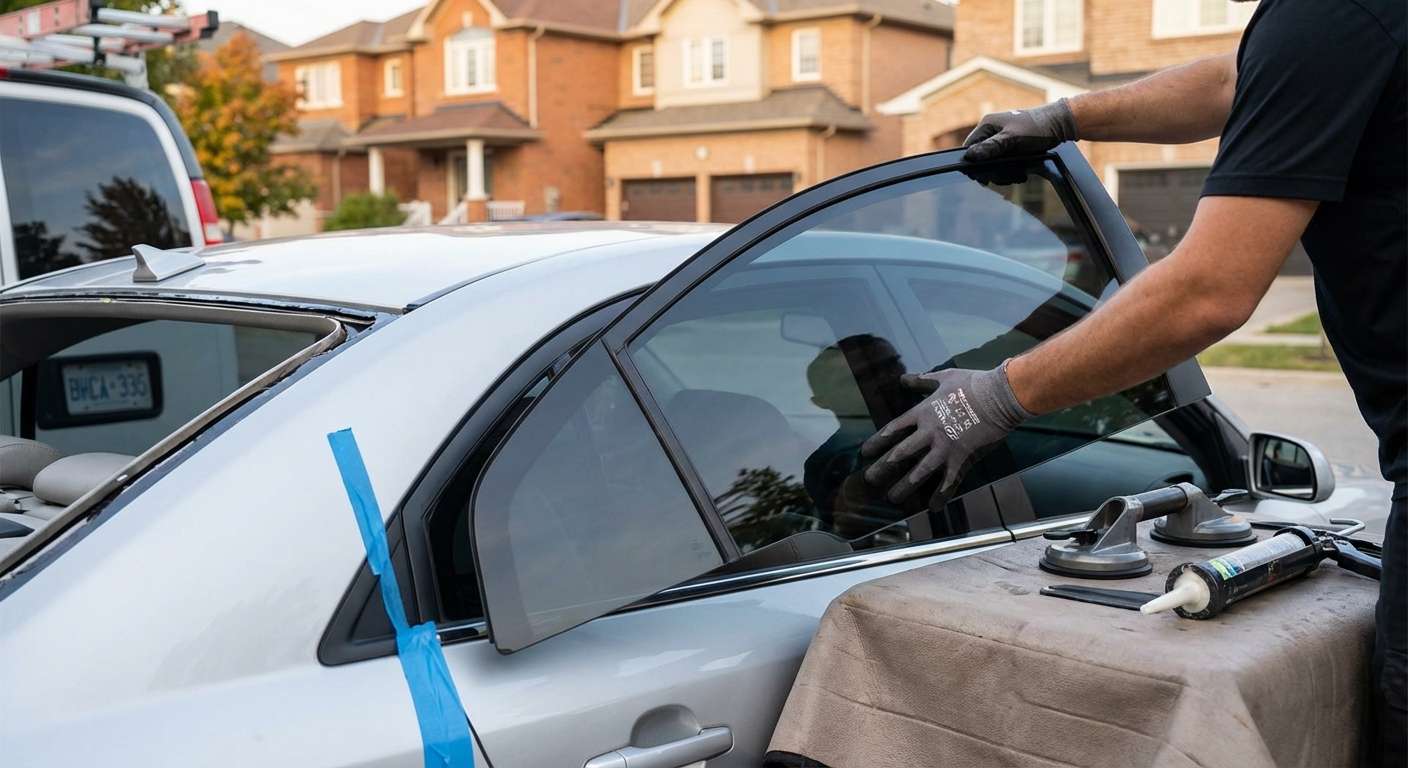
Because smashed rear vent glass leaves the passenger cabin exposed to weather and theft, I keep these specific tempered units ready so I can pull up to your driveway roughly sixty minutes after your call is confirmed. The replacement glass contains no integrated defrost grids, embedded radio antennas, or electronic harness connectors, which keeps the replacement focused entirely on correct mechanical seating inside the upper sash.
Interior Access and Mechanical Integration in the Door Sash
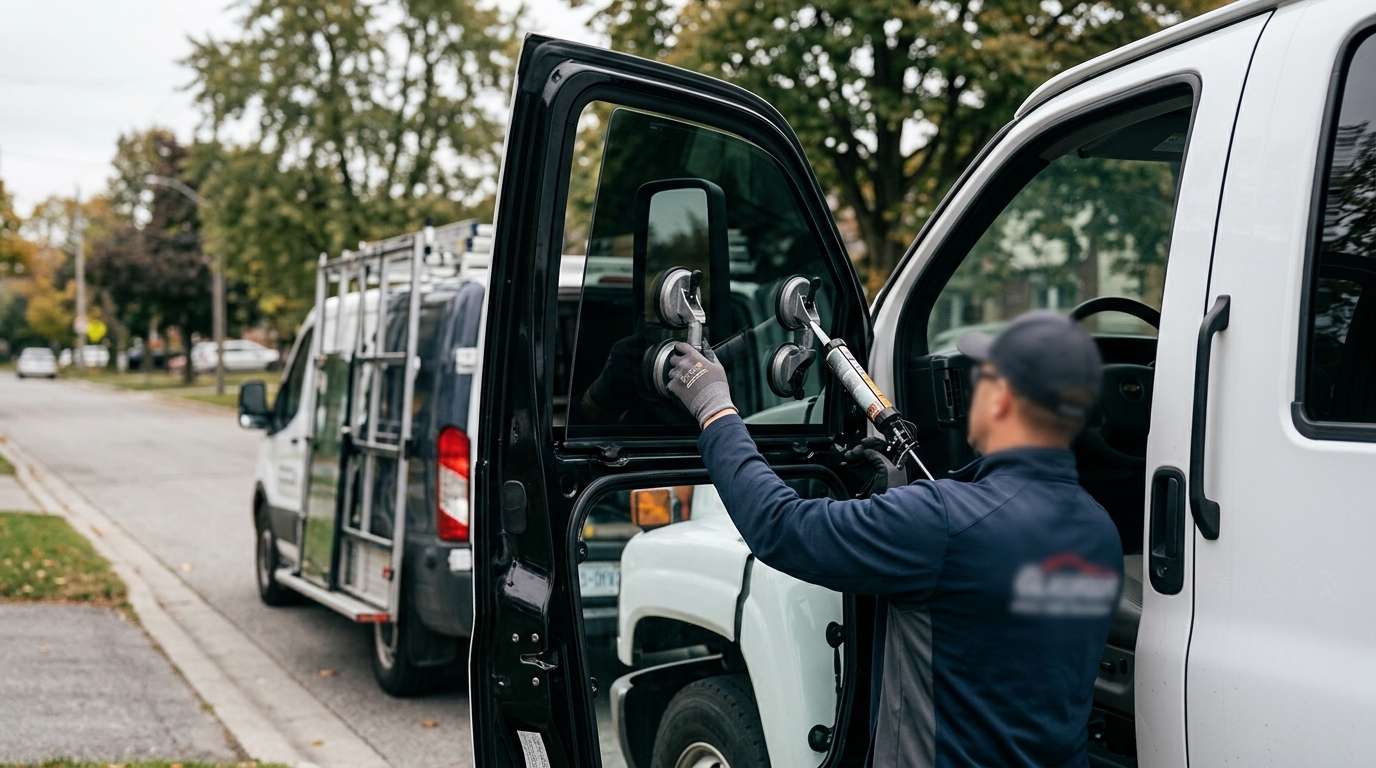
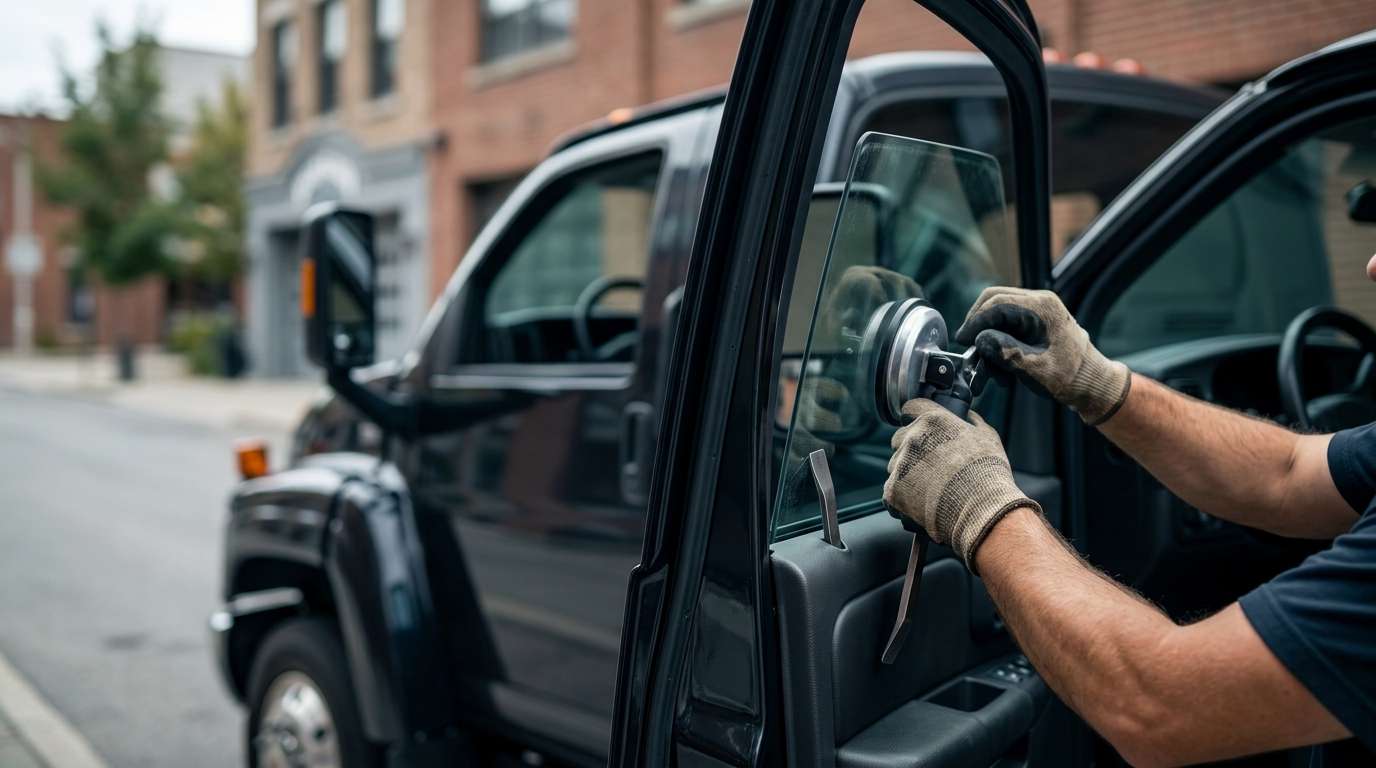
Restoring this glass requires working from the inside out. The stationary pane does not use glued perimeter urethane against the outer steel skin; it is held mechanically under tension by the rubber surround and the lower division bar retention fasteners. To access the mountings, the interior door panel must come off along with the moisture barrier to unbolt the lower division channel guide.
If broken glass fragments fall down past the division post into the lower door cavity, they frequently jam the bottom scissor-and-cable regulator tracks or plug the exterior water drain flaps at the base of the door shell. Thoroughly vacuuming out the NF door bottom while the panel is off prevents window motor strain and stops water from pooling inside the steel shell during heavy rain.
Does this rear quarter pane roll down with the rest of the window?
No, this glass is completely stationary. It sits locked inside its own molded rubber seal within the door sash, held in place by the division bar, while only the larger front section of the door glass slides vertically.
Can the glass be replaced without taking the interior door card off?
No, the interior panel and vapor barrier must be unclipped. The bottom bolt anchoring the vertical division run channel is hidden inside the door cavity, and that bar must be loosened and moved aside before the glass can slip into the frame gasket.
Why does my roll-down window stick after the vent glass was broken?
The roll-down window slides directly inside a felt track built into the back of the metal division bar. If the division post was shoved out of alignment when the small window broke, or if stray tempered glass pebbles became wedged in the felt run channel, the main door glass will drag or fail to close completely.