Sash Design and Tint Variations on Santa Fe Side Glass
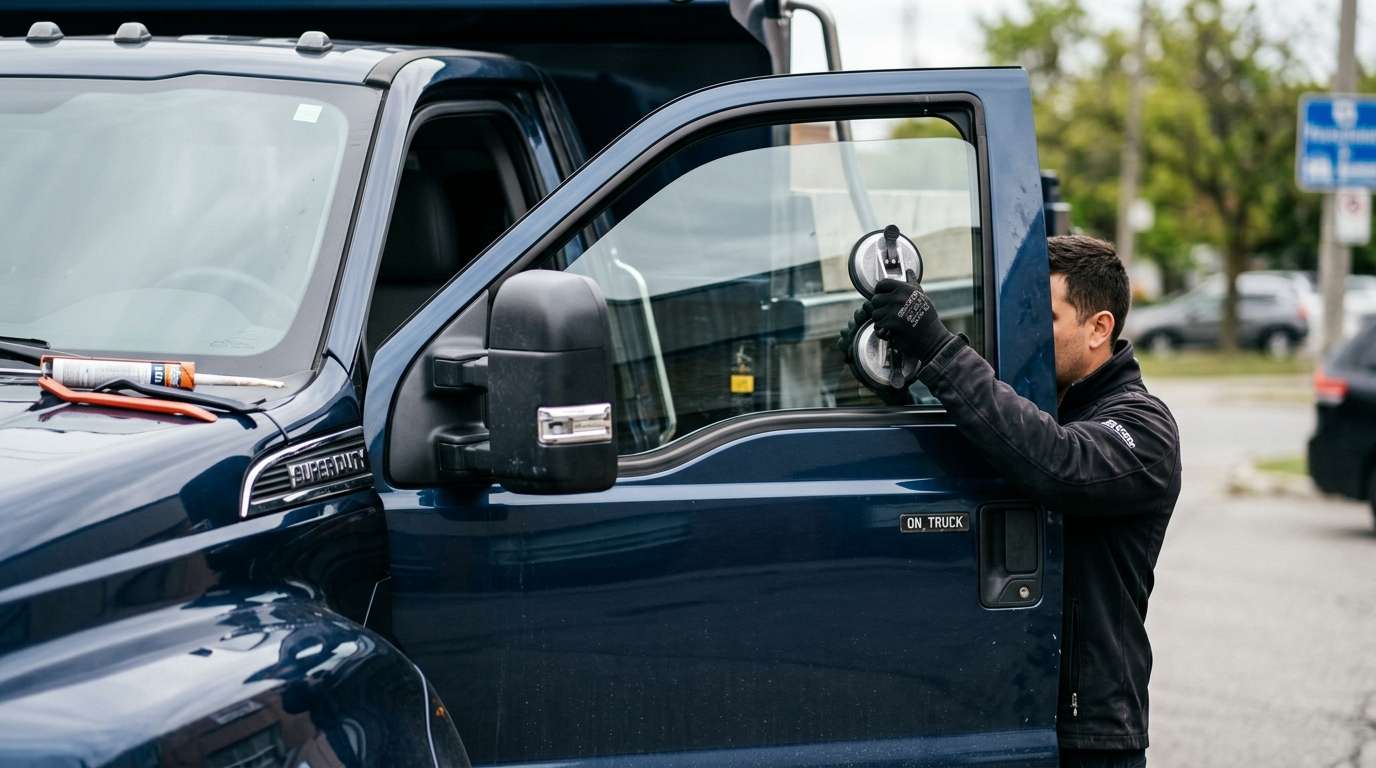
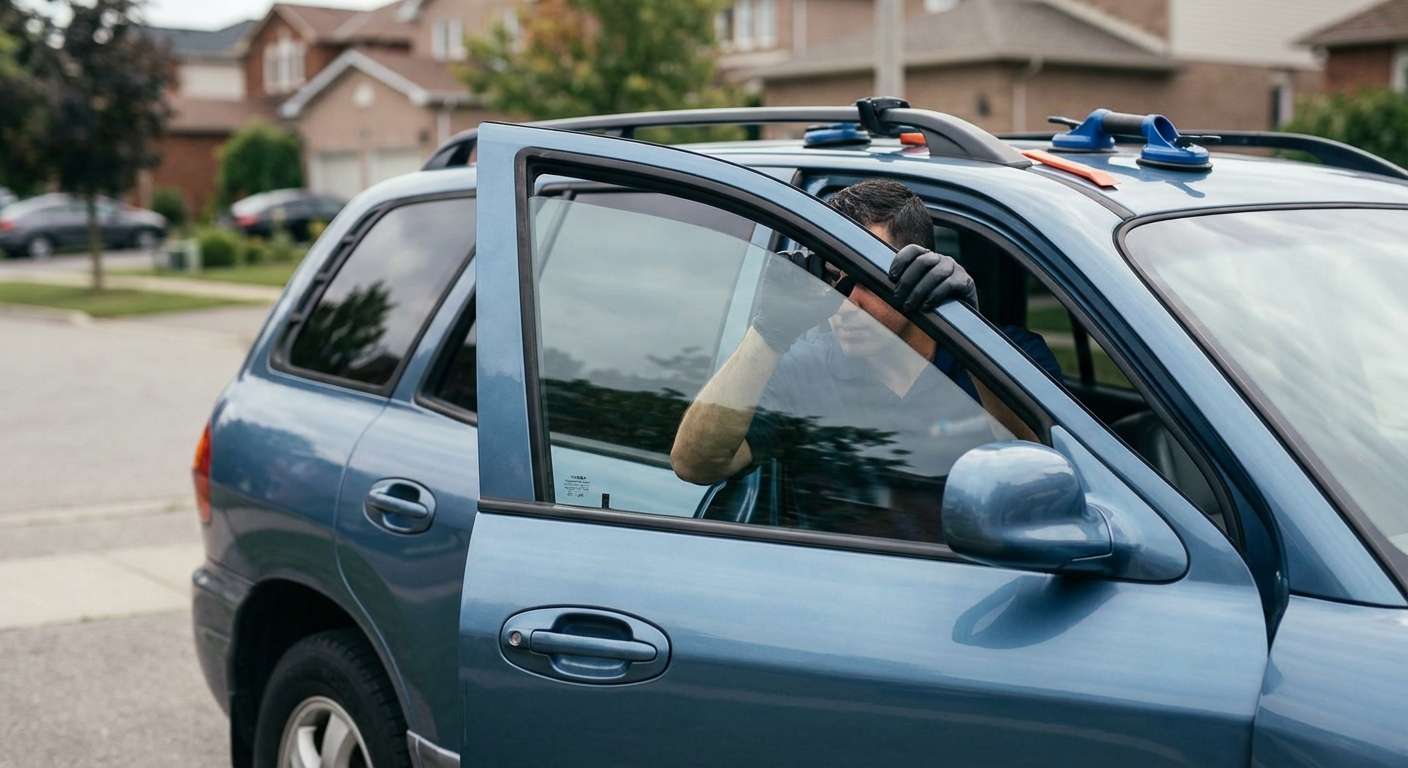
Replacing the side door windows on the first iteration of the Santa Fe requires paying close attention to rear passenger glass tinting levels between packages. The front driver glass (factory reference 82411-26000) and passenger glass (82421-26000) use a standard light green solar-attenuating tempered glass across all years. The rear drop glass, however, splits depending on whether the vehicle came off the line as a base model or equipped with the GLS, LX, or later Limited packages. Base trims carried matching light green glass in the rear doors, while GLS and LX/Limited models were built with deep dark privacy solar glass in the back. When sourcing aftermarket glass, matching this rear darkness is critical so the rear passenger pane does not clash with the stationary rear quarter glass right behind it.
Despite the exterior facelift introduced for the 2005 model year that reshaped the front grille, tail lamps, and instrument cluster, the door stampings and side glass geometry remained completely unchanged through the end of 2006 on this SM platform. NAGS patterns for the front left drop glass FD20847 and front right FD20848 slide into the exact same perimeter channels on a 2001 build as they do on a 2006. The rear door units, cataloged under FD20849 for the driver side and FD20850 for the passenger side, fit identically across the entire run regardless of engine choice or drivetrain.
Regulator Mechanics and Bracket Grip Points Inside the Door
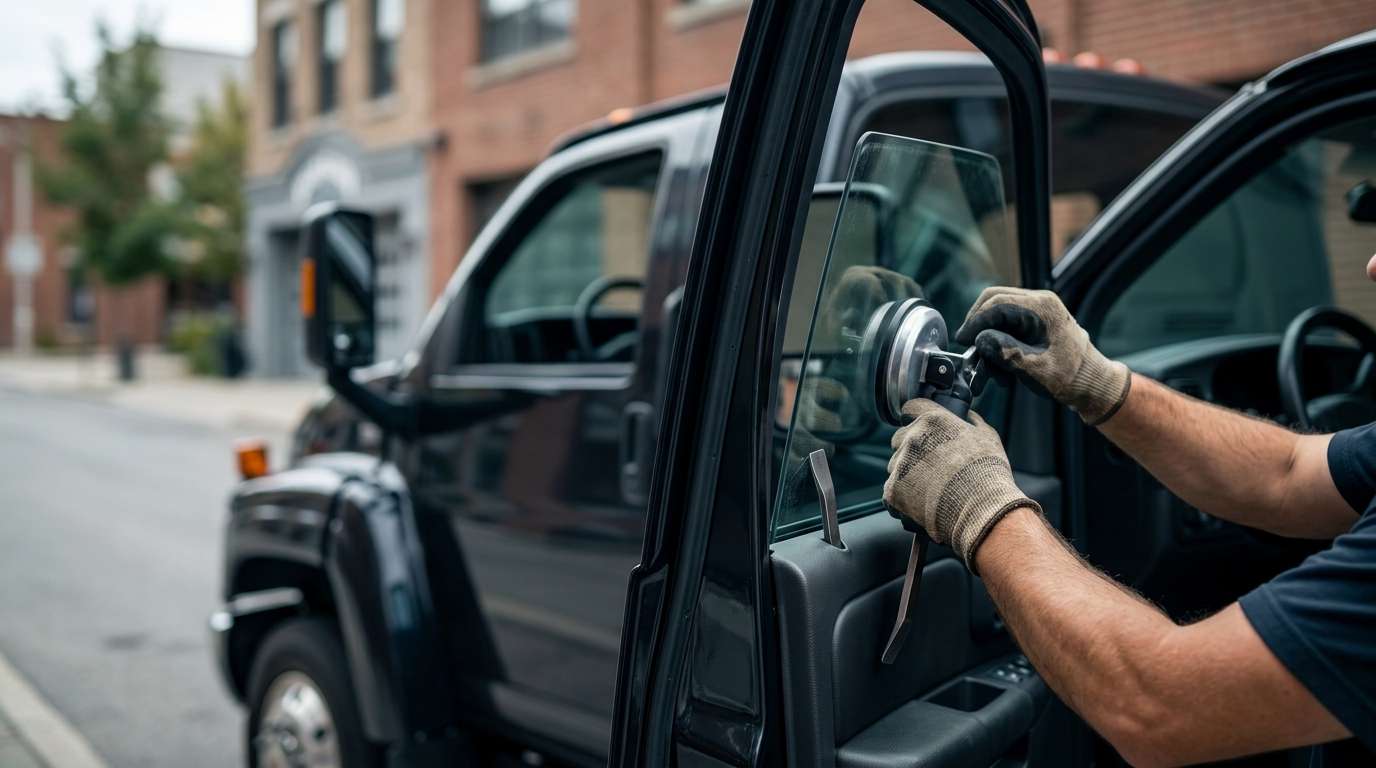
Unlike modern vehicles that rely on molded plastic clips permanently bonded directly to the lower edge of the glass, this Santa Fe utilizes a mechanical clamp-bracket layout. The bottom edge of each door glass pane settles into two steel grip brackets, engineered around dealer parts 82412-26000 and 82413-17000, which bolt directly to the carriage plate of the window regulator. Because these brackets clamp the glass securely with isolated rubber liners, getting the glass leveled before tightening the mounting bolts prevents unwanted tilt when the window travels up into the upper door frame sash.
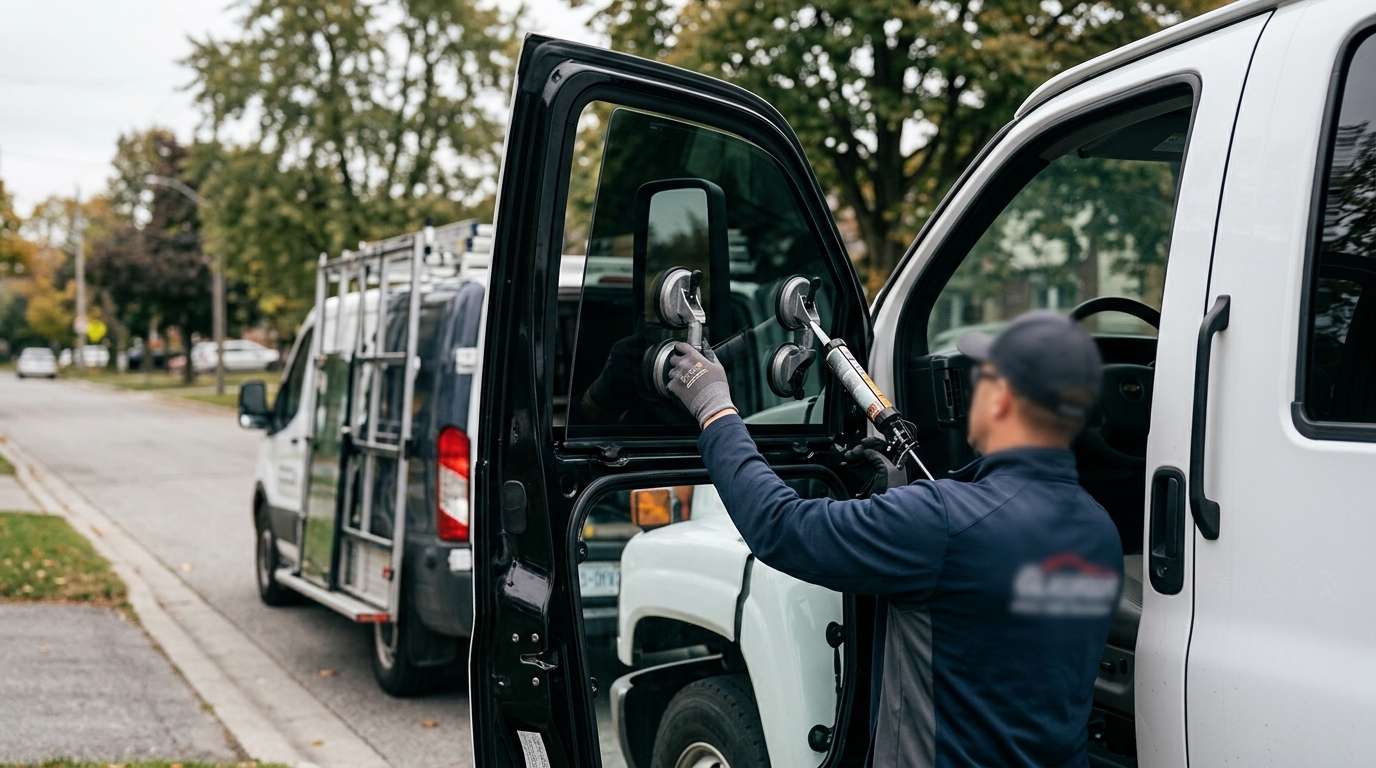
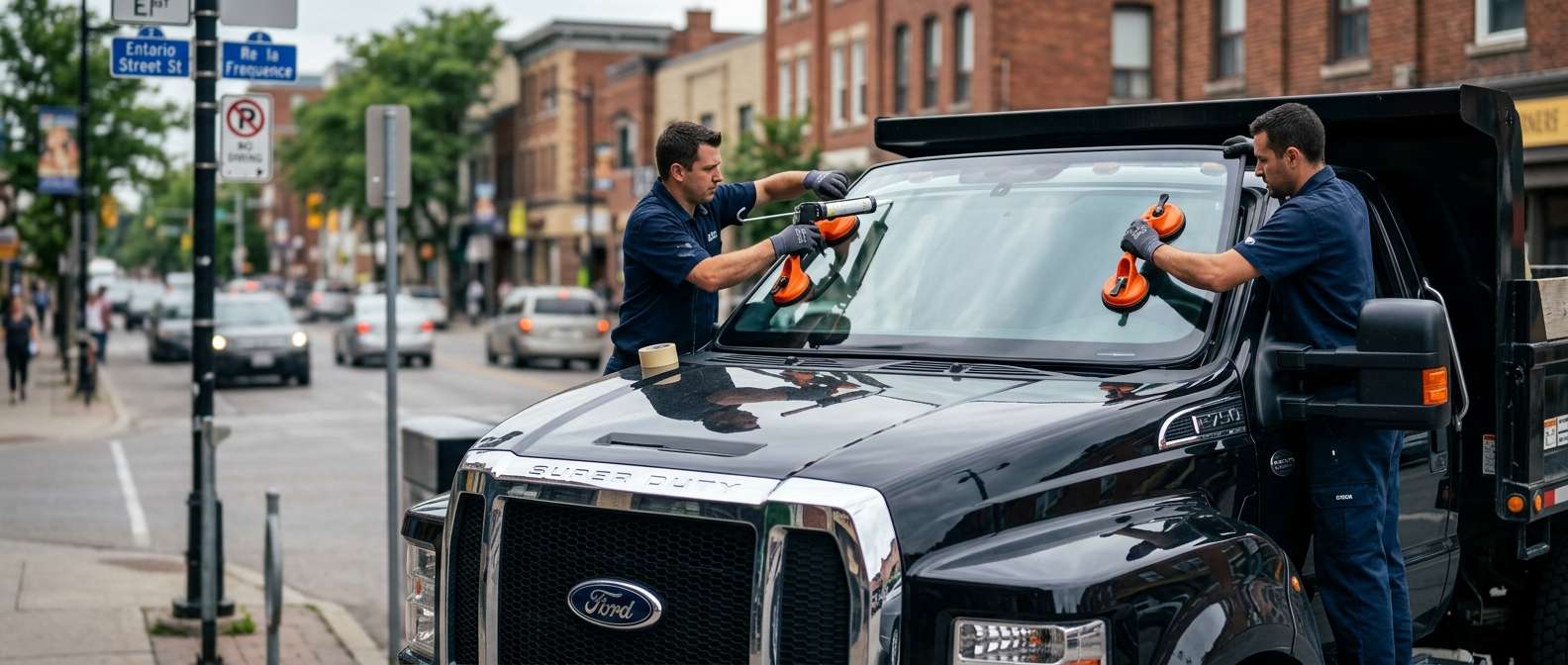
The window movement itself is handled by a cable-and-pulley scissor assembly, operated by regulator assemblies 82405-26000 on the left and 82406-26000 on the right. When the tempered glass shatters from an impact or forced entry, loose shards routinely fall straight into the bottom of the steel door shell. These fragments easily bind up the exposed steel cables or lodge inside the teeth of the electric lift motor gear. Once you book a replacement, I generally pull up to your location roughly an hour later, which keeps rain or debris from soaking the open interior door trim and switches.
Rubber Run Channel Friction and Rear Division Bar Clearances
The upper sash relies on a molded rubber run channel, stamped under factory part number 82530-26000 for the front doors, that seats directly into the perimeter frame. Over decades of sun exposure, these factory channels shrink, accumulate roadside dirt, and dry out. The resulting drag creates heavy resistance against the tempered glass as it rolls upward, often causing the electric lift motor to stall out or the regulator cable to fray under the strain. Ensuring the replacement glass glides freely inside the channel prevents premature failure of the motor drive gear.
On the rear doors, the moving drop glass operates adjacent to a stationary triangular vent window. The two pieces of glass are isolated by a fixed vertical division bar channel. If this metal center guide has shifted or accumulated debris from a broken pane, the rear glass will bind sideways during upward travel, putting immense pressure on the bolted grip channel caps below. The horizontal inner and outer beltline weatherstrips must also be cleared of tiny tempered glass fragments, otherwise the rubber squeegee edges will scour vertical scratch lines into the surface of the new panel the first time the window is lowered.