Single-Panel Sunroof Glass on Modern Sierra Cabs
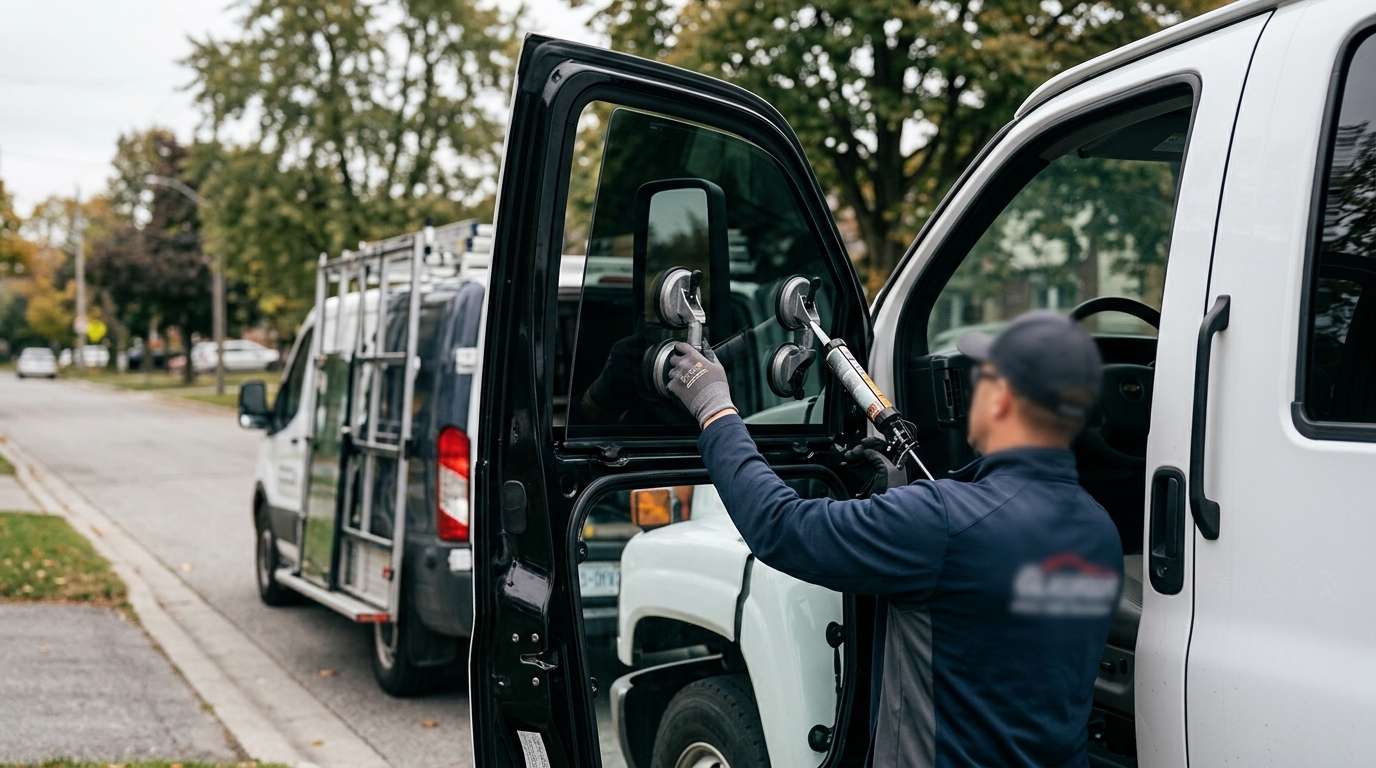
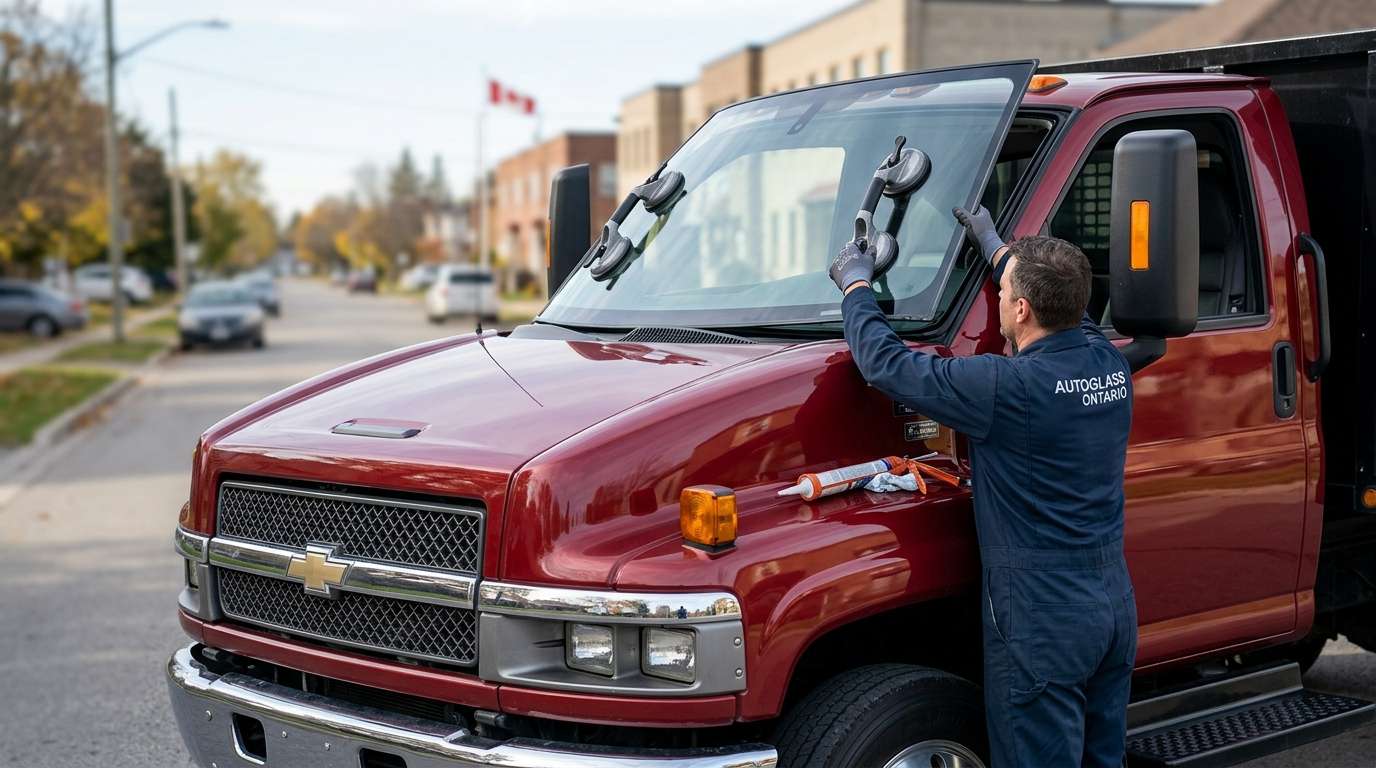
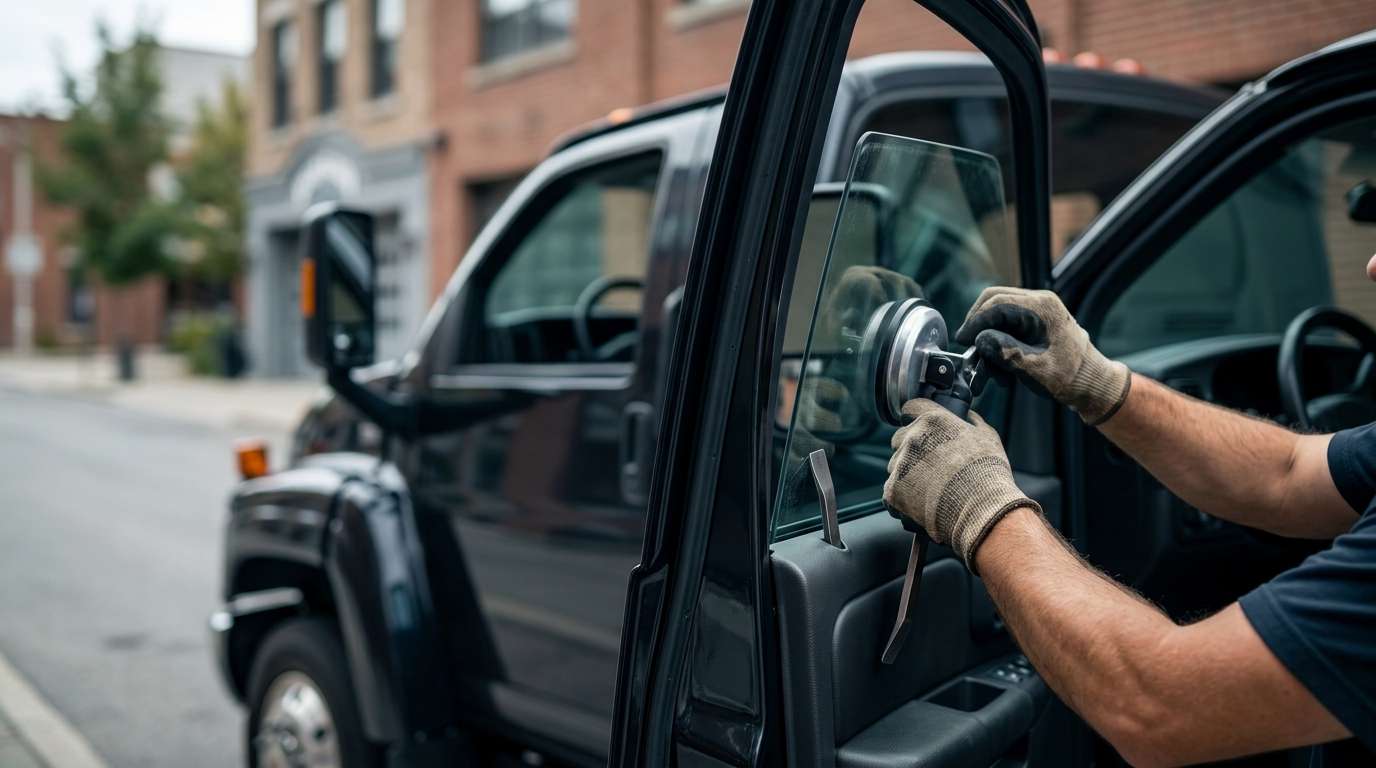
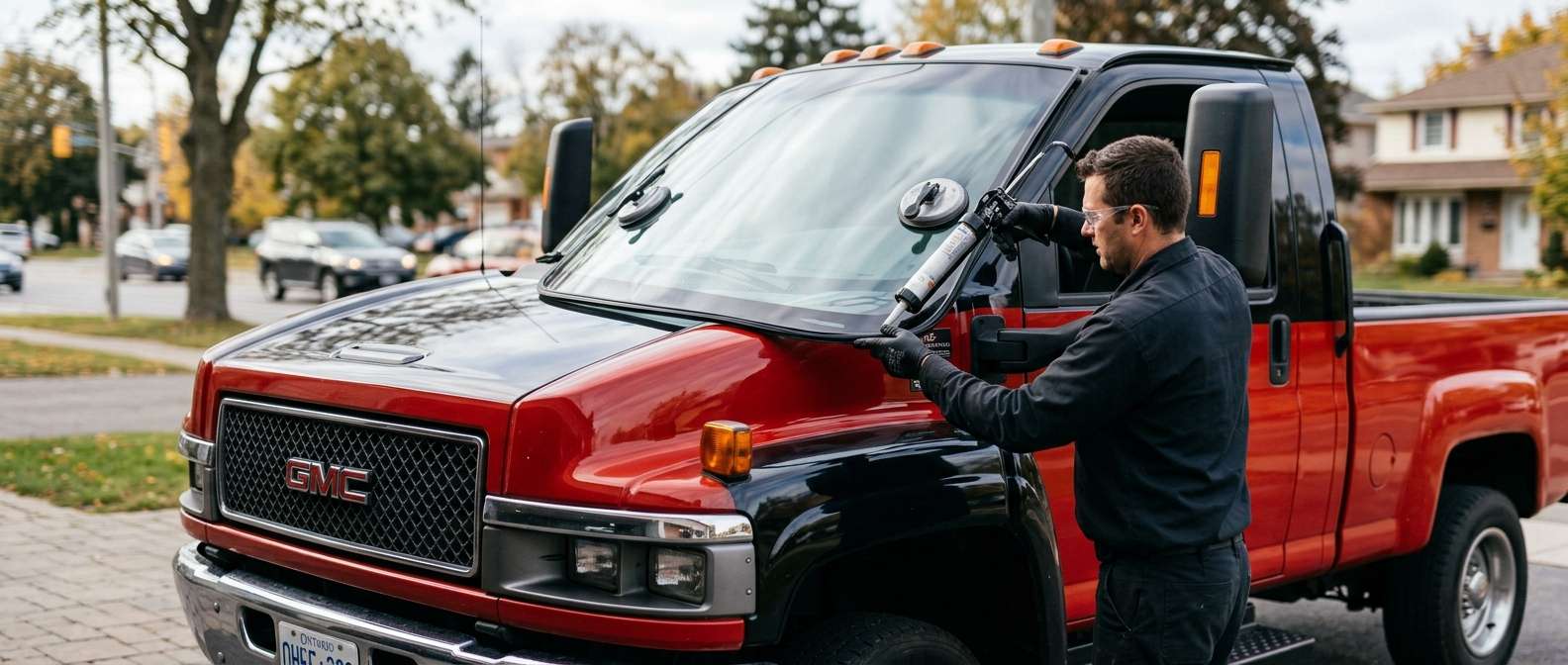
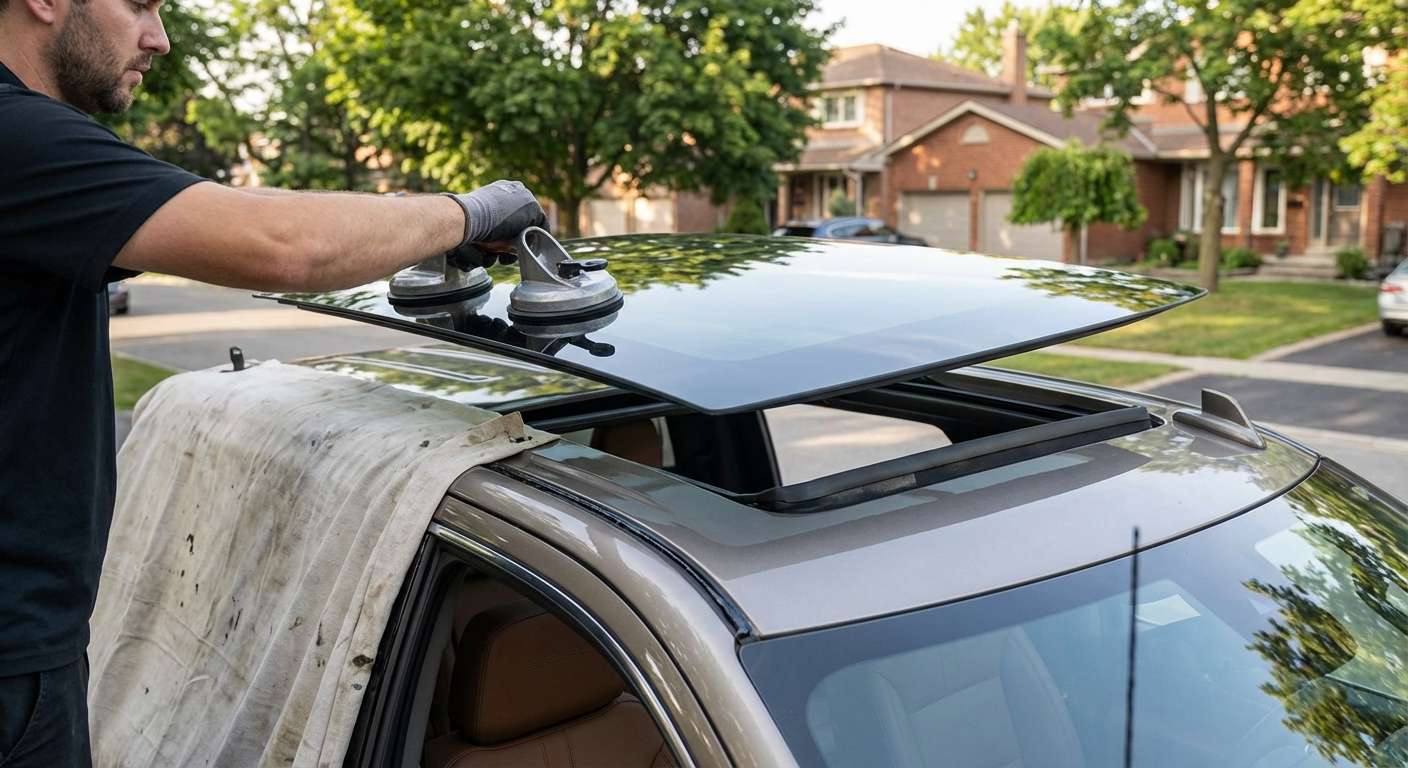
Replacing broken sunroof glass on a recent Sierra requires understanding that General Motors sticks to a compact, single-pane electric tilt-and-slide module rather than an expansive dual-pane panoramic setup. Built across the T1XX platform, the assembly slides internally between the outer cab skin and the interior headliner. It is paired with an encapsulated perimeter weatherstrip that seals directly against the roof metal, along with factory dark privacy-tinted tempered glass engineered to cut down in-cabin solar gain.
Because the panel works inside a tight envelope, replacing the glass means working around specific interior hardware. The glass panel itself (OEM part 87822092, superseding previous GM numbers 84780789 and 84467943) is mechanically decoupled from the electrical sensors of the truck. Unlike the front windshield or the back glass on these trucks, this panel carries no forward-facing ADAS camera brackets, defroster lines, or cellular and GPS antennas. Those components stay safely on the roof skin or front glass. Below the module, a color-matched cloth sunshade slides independently on lower guide rails to isolate cabin heat.
Trim Variations and the T1XX Drainage System
You will not find this power moonroof panel on bare-bones Pro regular cabs. General Motors limits the factory roof opening predominantly to Crew Cab builds and select Double Cabs, offering it either as an option or standard equipment on trims like the SLT, AT4, AT4X, Denali, and Denali Ultimate. While the glass panel dimensions remain uniform across these upper trims, keeping moisture out of the interior depends entirely on how the glass mates with the underlying drainage cassette.
Beneath the glass sits an integrated water tray linked to four independent drain hoses directed down through the A-pillars and the rear cab corners. If a gravel strike shatters the panel, broken tempered granules easily tumble into this cassette channel, blocking the drainage paths or jamming the guide tracks. I back every replacement with a one-year warranty on the glass panel itself alongside lifetime protection on my workmanship, ensuring the tracks operate smoothly and the cab remains dry. GM trucks of this generation also experienced known service bulletins concerning outer roof seam cracks near the roof joint mouldings; distinguishing between actual sheet metal seam leaks and an issue with the sunroof perimeter seal prevents misdiagnosing cabin water ingress.
Post-Replacement Inspection for Sierra Owners
Once your new panel is secured and adjusted to factory flushness, verify the moving parts and seals before heading out on high-speed highways:
- Check that the leading edge of the glass sits flush with the front cab roofline and the trailing edge rests flush or fractionally higher to eliminate highway buffeting.
- Confirm the integrated edge encapsulation seal seats evenly without pinching or bunching along the steel roof opening.
- Operate the overhead console switch cluster to ensure the glass tilts smoothly and retracts fully into the headliner recess without shuddering.
- Slide the manual cloth sunshade back and forth by hand to make sure it glides freely without snagging on track hardware.
- Listen for rattles, squeaks, or wind whistle around the perimeter when driving at speed with the shade drawn open.
- Inspect the front footwells and rear cab carpet after the next rain to confirm the cassette drainage tubes are clear and directing runoff outside the vehicle.