Rear Door Vent Glass Configuration on the Second-Gen LD Platform
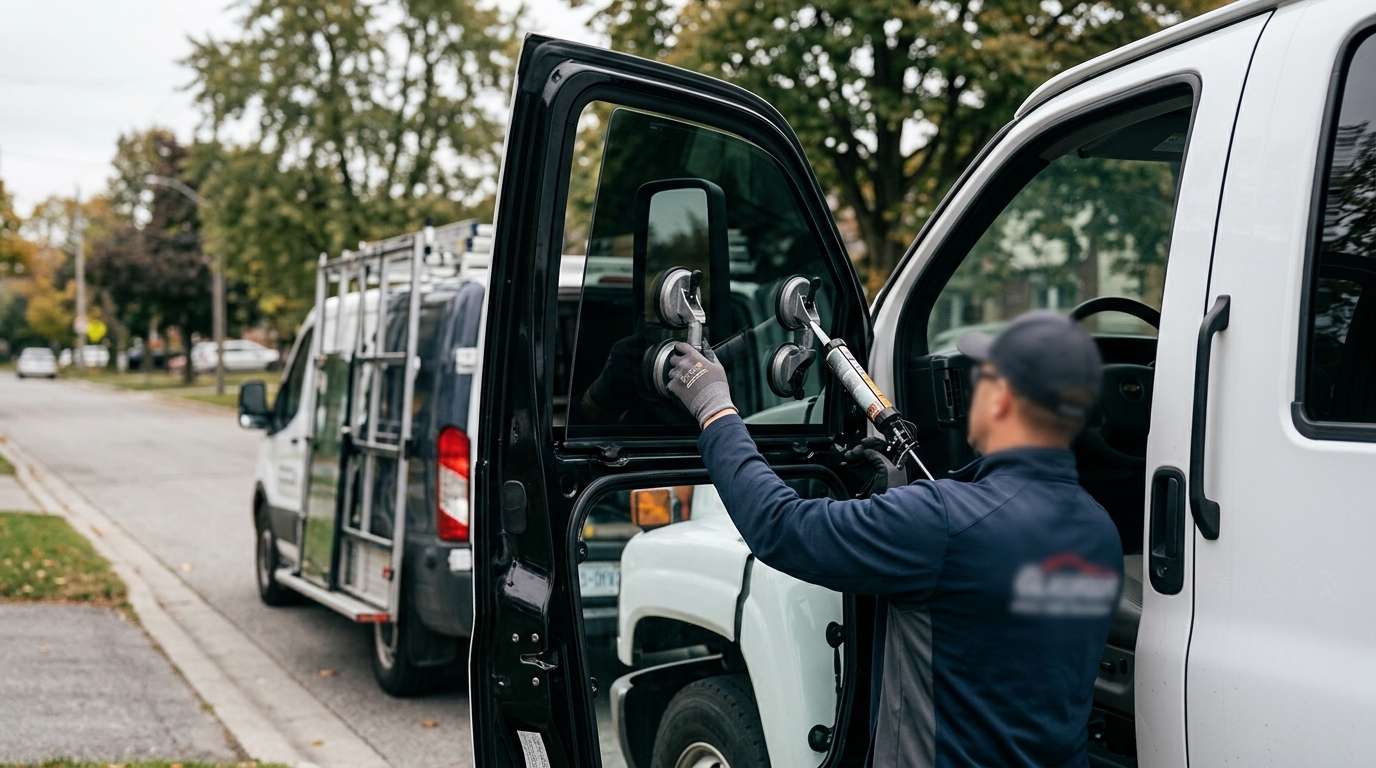
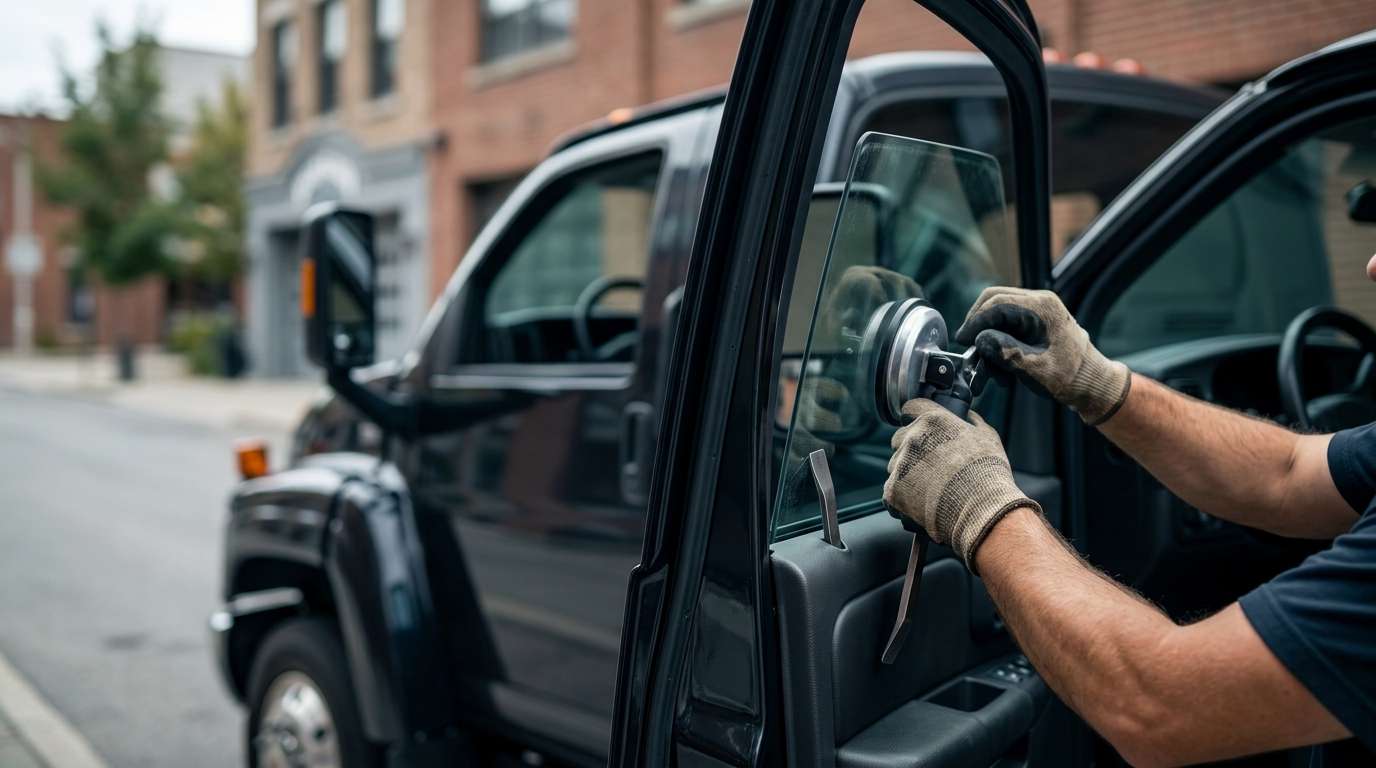
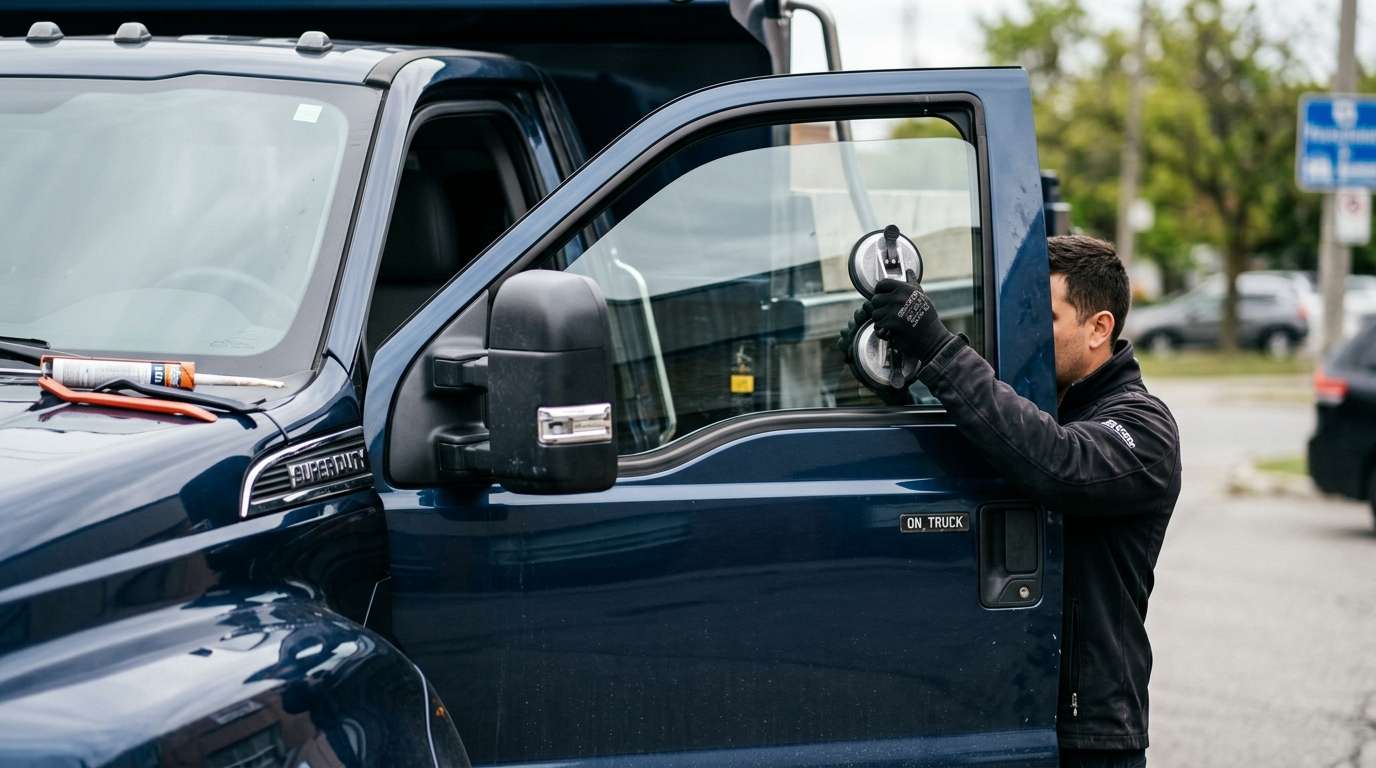
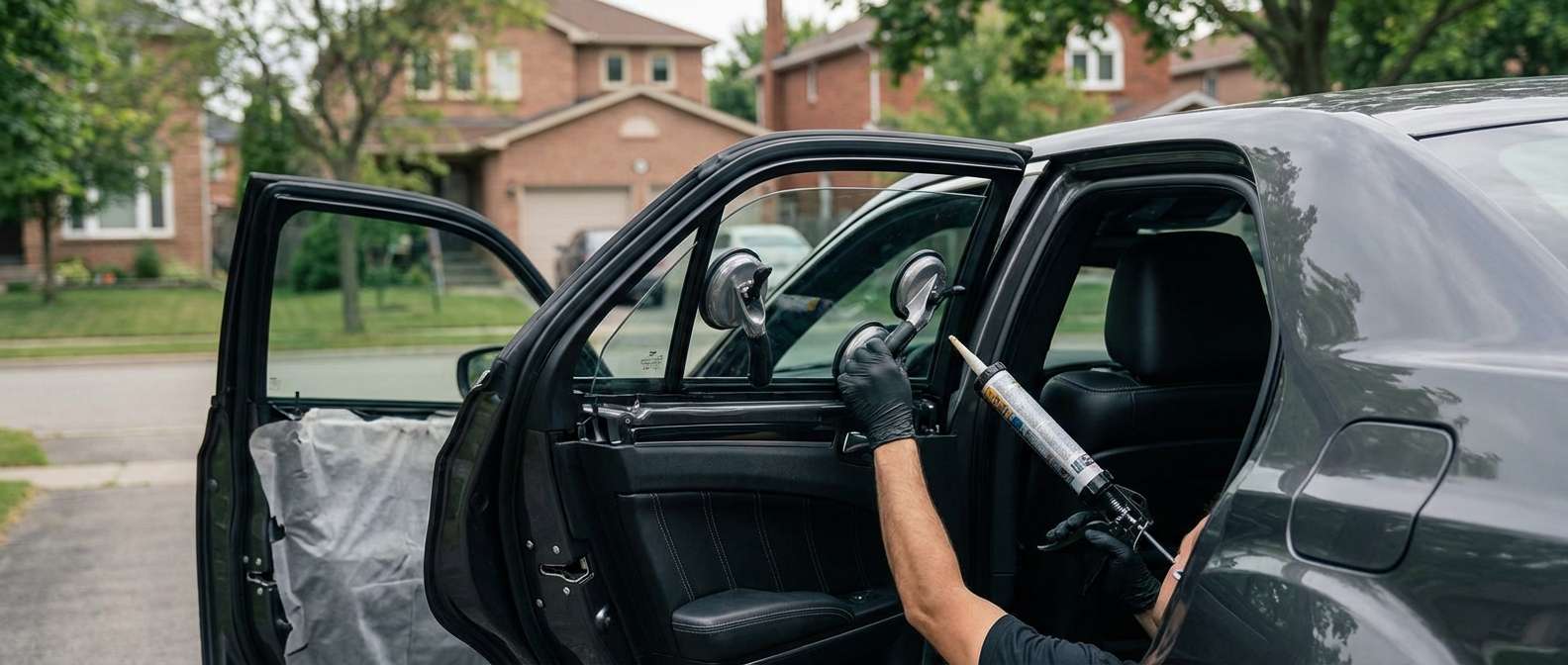
Every Chrysler 300 built from 2011 onward houses its stationary rear vent glass directly inside the swinging rear door frame rather than bonding it to the stationary C-pillar sheet metal. When a thief smashes this triangle to access the door locks, they are breaking a piece of tempered safety glass that is mechanically captured by a full perimeter rubber run channel and a vertical steel division bar. I regularly pull the interior door card and splash shield on these doors across Toronto and the GTA, travelling directly to your driveway or workplace parking lot to rebuild the channel assembly after a break-in.
Before unboxing a replacement panel, I confirm the NAGS part numbers against the side of the car being serviced. The left driver side rear vent is DV11939, while the right passenger side is DV11938. Both feature the factory standard solar-control green tint (GTN/GTY suffix) across every trim level—from the base Touring and Limited up through the 300S, 300C, and SRT8. Unlike the rear roll-down glass, this small glass piece contains no embedded defroster grids, no radio antenna traces, and no acoustic interlayers.
Critical Checks Before and After Setting the Division Bar
Because the Chrysler 300 uses a traditional full-framed door stamping rather than frameless glass, proper operation of the drop window relies entirely on the alignment of the stationary vent channel. I inspect several specific points on the replacement panel and the surrounding door shell to prevent future problems:
- Channel Molding Integrity: I verify that the rubber weatherstrip perimeter has no tears or deformed corners from the break-in before seating the glass, as a pinched seal allows cabin air leaks at highway speeds.
- Division Bar Run Alignment: The forward edge of this glass sits flush against the vertical steel division bar; I inspect the lower fastener track inside the door cavity to ensure the bar drops completely true without binding the adjacent drop glass.
- Shattered Debris in the Lower Frame: Tempered fragments always cascade down inside the division bar base and into the lower door skin, requiring complete clearance so the window regulator track does not jam.
- Outer Beltline Weatherstrip Seating: Once the division bar bolts are tightened, the bottom horizontal edge of the vent rubber must interlock with the exterior sweep molding to keep water out of the door cavity.
Common Chrysler 300 Vent Window Questions
Why does my rear door whistle after having this small window replaced?
Whistling and wind noise on this body style almost always point to an improperly seated rubber run channel or a division bar that was torqued down slightly crooked. If the vertical division bar is pulled too tight toward the interior or twisted while anchoring it to the door shell, air slips past the forward edge of the vent glass at speed.
Is the rear vent window glued to the door frame with urethane?
No. The Chrysler 300 vent glass is a dry-glazed design. It is held entirely under mechanical tension by the full-perimeter rubber weatherstrip channel, which is locked into the steel door frame and supported by the bolted vertical division channel.
Did the shape of this glass change between the early and late model years?
No. Even though Chrysler refreshed the front fascia, taillights, and interior electronics for the 2015 model year, the entire rear door framework and the dimensions for glass parts DV11939 and DV11938 remained identical from 2011 through the final 2023 production run.