Door Design and Window Layout Clarifications
If you are looking for a rear door vent glass on this sedan, you will not find one. Unlike the redesigned models that arrived for 2011, the doors on these cars use a single solid pane of drop glass rather than a split window separated by a division bar. Any stationary side glass on the rear profile of the vehicle sits entirely behind the door frame, permanently set into the C-pillar quarter panel.
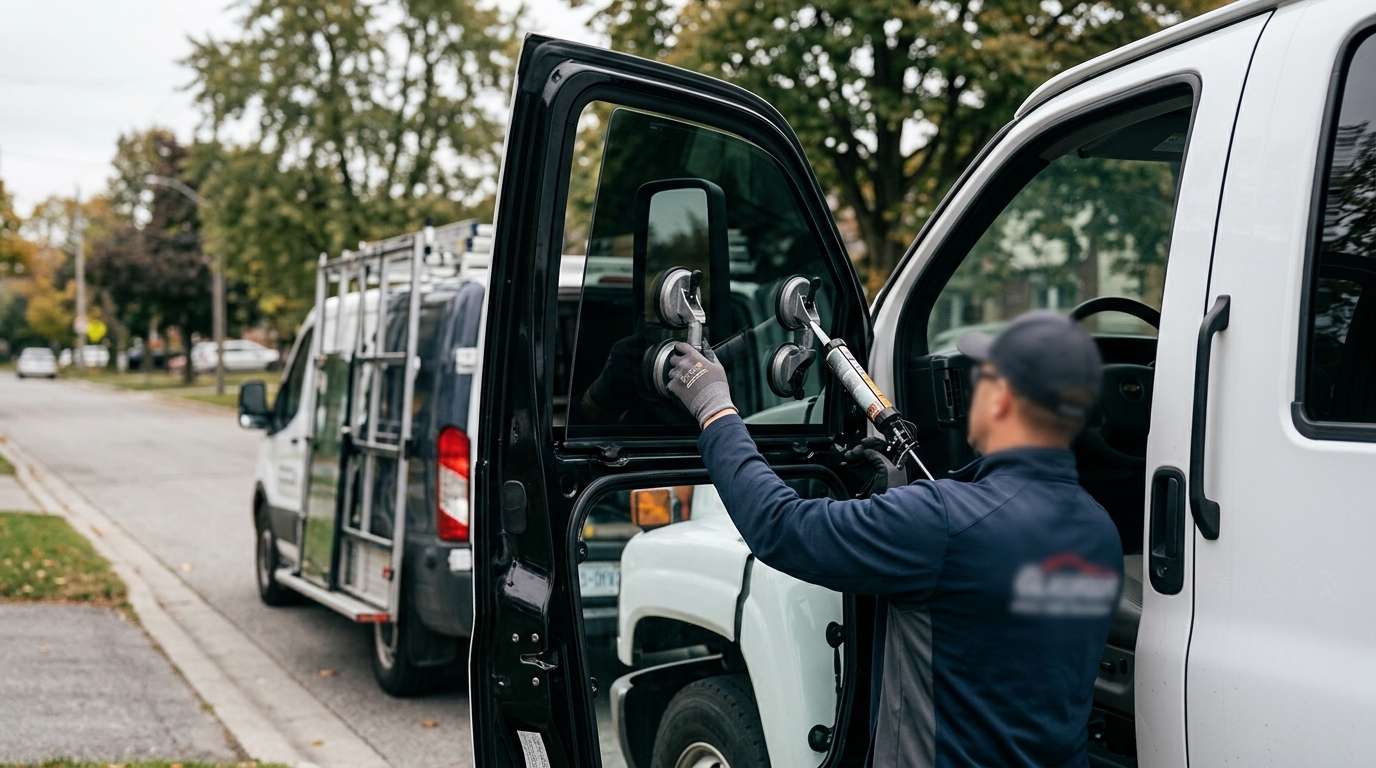
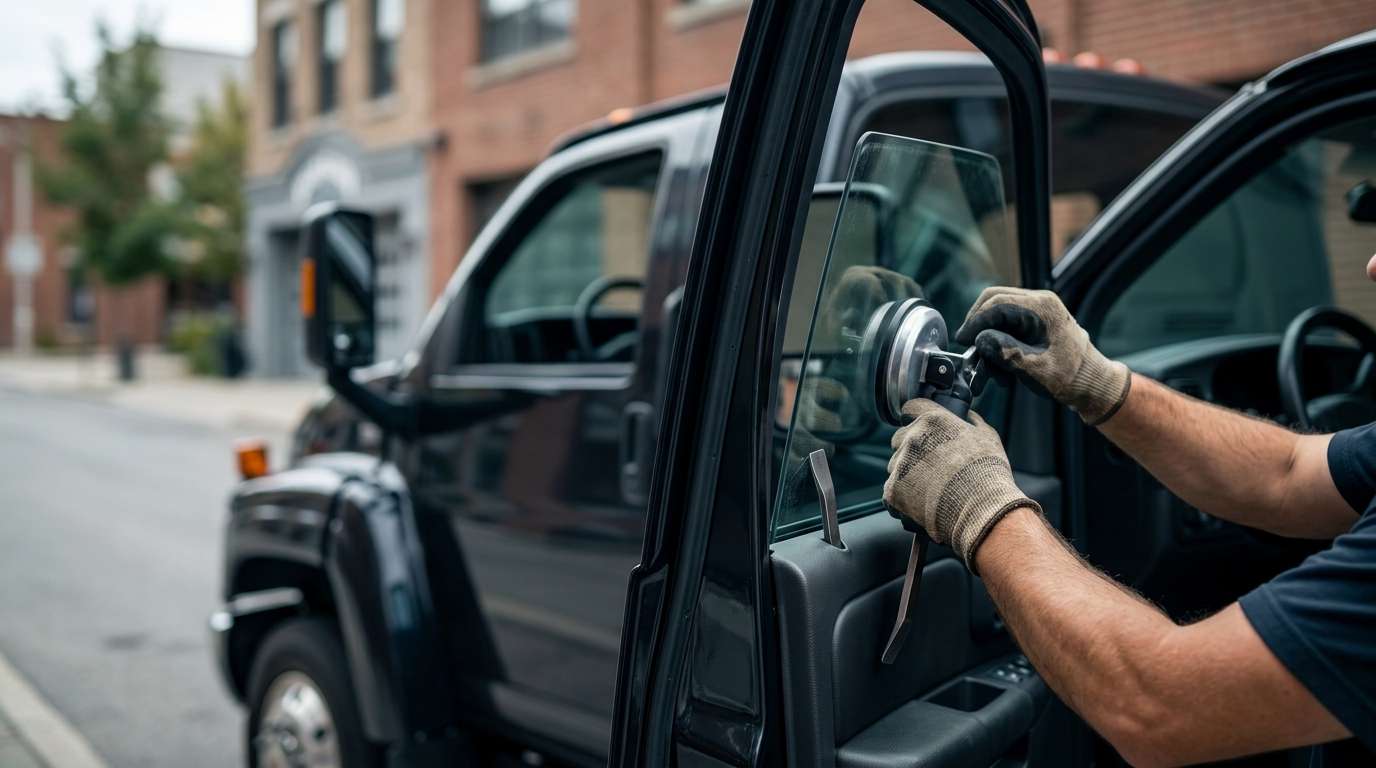
Because there is no separate vent window inside the door structure, side-impact break-ins or impact damage at the rear seat mean replacing the complete drop pane. The factory glass runs directly inside a stamped steel frame down into the door cavity, sitting against the inner vapor barrier and moving past outer waist belt mouldings without an auxiliary upright partition dividing the opening.
Part Numbers and Hardware Details
Every replacement pane I source uses standard aftermarket glass matching factory dimensions, and I back the product itself with a one-year warranty while guaranteeing my installation workmanship for as long as you own the car. The drop glass operates without embedded defroster grids, rain sensors, or camera electronics, though vehicles optioned with upgraded audio packages route their radio antenna through the stationary rear glass rather than the doors.
| Glass Position | NAGS Part Number | OEM Reference |
|---|---|---|
| Right Rear Door Drop Glass | DD10708GTN | 05065488AC / 5065488AC |
| Left Rear Door Drop Glass | DD10709GTN | 05065489AC / 5065489AC |
The glass pane secures inside the door shell to a vertical rear run channel guide track anchored with 10mm bolts. Lift and lower movements rely on a cable-driven power window regulator mounted straight to the interior metal door skin.
Addressing Common Drop Glass and Track Issues
When owners suspect broken glass because a window suddenly disappears into the door, the issue is frequently a collapsed regulator clip rather than fractured tempered glass. The plastic retainers on the original cable system become brittle over time, releasing the pane to slide freely down to the bottom of the shell.
A related mechanical concern is covered under factory bulletin TSB #23-024-04, which addresses binding or slow-moving rear door glass. In these cases, the run channel seals shift or fit too tightly within the steel door sash, pinching the glass as the motor attempts to drive it upward. When installing a replacement pane, ensuring proper alignment between the vertical guide track and the perimeter run channels prevents this binding and protects the regulator cable from premature failure.