When Tilt-and-Slide Mechanisms and Footwell Flooding Collide
Water pooling silently under the front passenger carpet is usually the first sign of trouble, well before any issue shows up on the sunroof panel itself. On the C5 platform Allroad, the four perimeter drain lines dump runoff from the roof cassette down through the pillars. The front tubes terminate at rubber duckbill valves tucked inside the front door hinge gaps. When pine needles and road grit back up behind those flat rubber lips, rainwater overflows the internal collection tray, trickles down the interior A-pillar trim, and drowns the Transmission Control Module (TCM) and Central Convenience Module (CCM) hidden beneath the floor carpet.
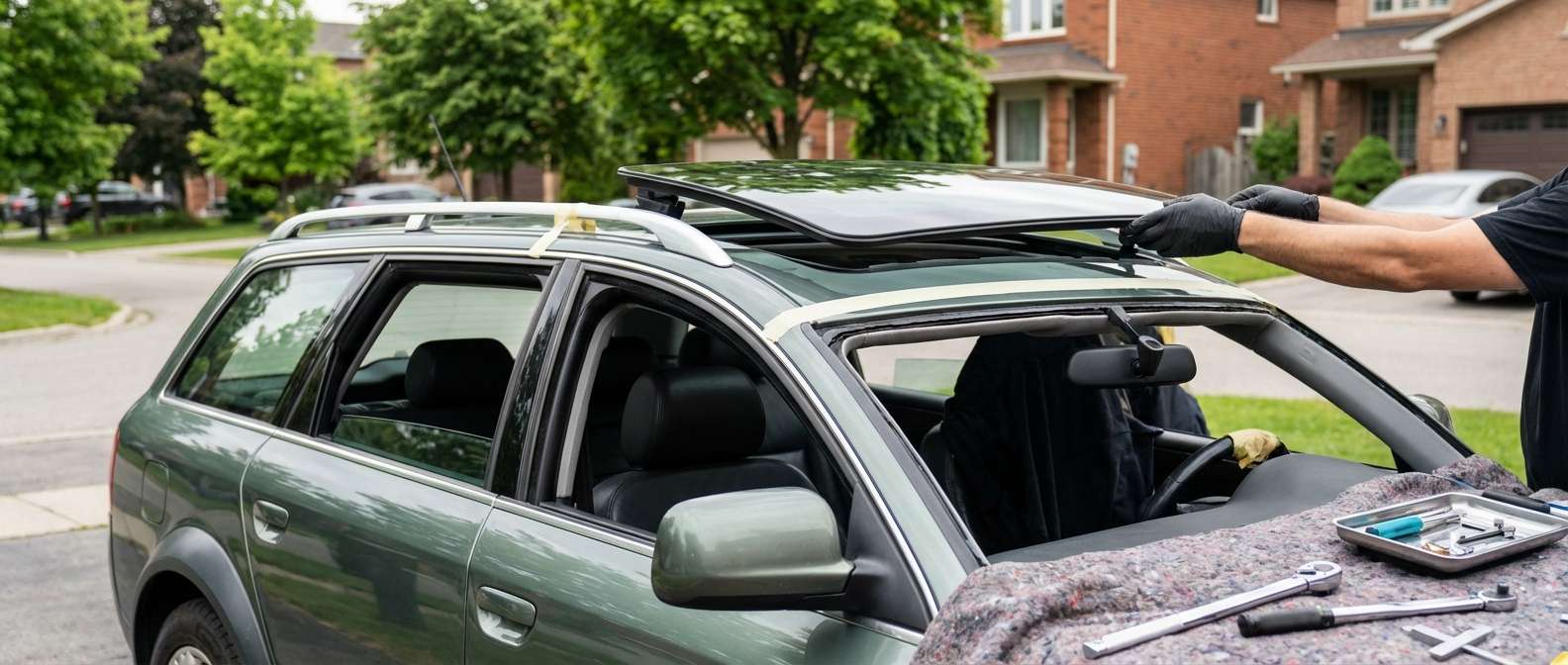
Whenever I take on a panel swap or cassette overhaul, clearing these passages and snipping the restrictive tips off those rubber exit valves is mandatory practice. It saves an expensive electronic headache that often gets misdiagnosed as an outright mechanical failure. On these wagons, the glass itself sits in a steel carrier frame with an integrated vulcanized rubber perimeter seal, surrounded by an aluminum guide track, cable drives, and a spring-loaded front pop-up wind deflector.
Distinguishing the Photovoltaic Solar Panel from Standard Glass
Audi shipped these long-roof models with two completely different overhead options, and they do not interchange cleanly without understanding their wiring and headliner hardware. Most came with dark-tinted transparent tempered glass paired with a conventional sliding cloth shade. The alternative was a factory photovoltaic solar sunroof designed to run the HVAC blower motor on low while parked under the sun, circulating fresh air through the cabin without draining the car battery.
| Feature | Standard Tinted Glass | Photovoltaic Solar Panel |
|---|---|---|
| Audi Reference | 4B0-877-071-E / 4B0-877-071-L | Photovoltaic solar variant |
| Transparency | Dark-tinted see-through | Completely opaque |
| Sunshade Style | Sliding fabric trim board | Integrated electrical contact rails |
| Sensors / ADAS / Heaters | None on panel | None (independent solar array only) |
Neither style uses rain-sensing optics, heated grid wires, or embedded radio antennas on the panel itself. If you have the transparent version, aftermarket replacement glass restores full optical clarity without disturbing any roof wiring harness.
Tackling Phantom Movement and Guide Track Track Jamming
Aside from water intrusion, owners regularly battle two mechanical quirks: the anti-pinch bounce and phantom roof operation. The rotary potentiometer switch in the front overhead console tends to build up oxidation on its internal wiper traces over the years. That electrical resistance drift tricks the sunroof control module into believing someone turned the dial, causing the panel to tilt open or slide back on its own while driving down the highway.
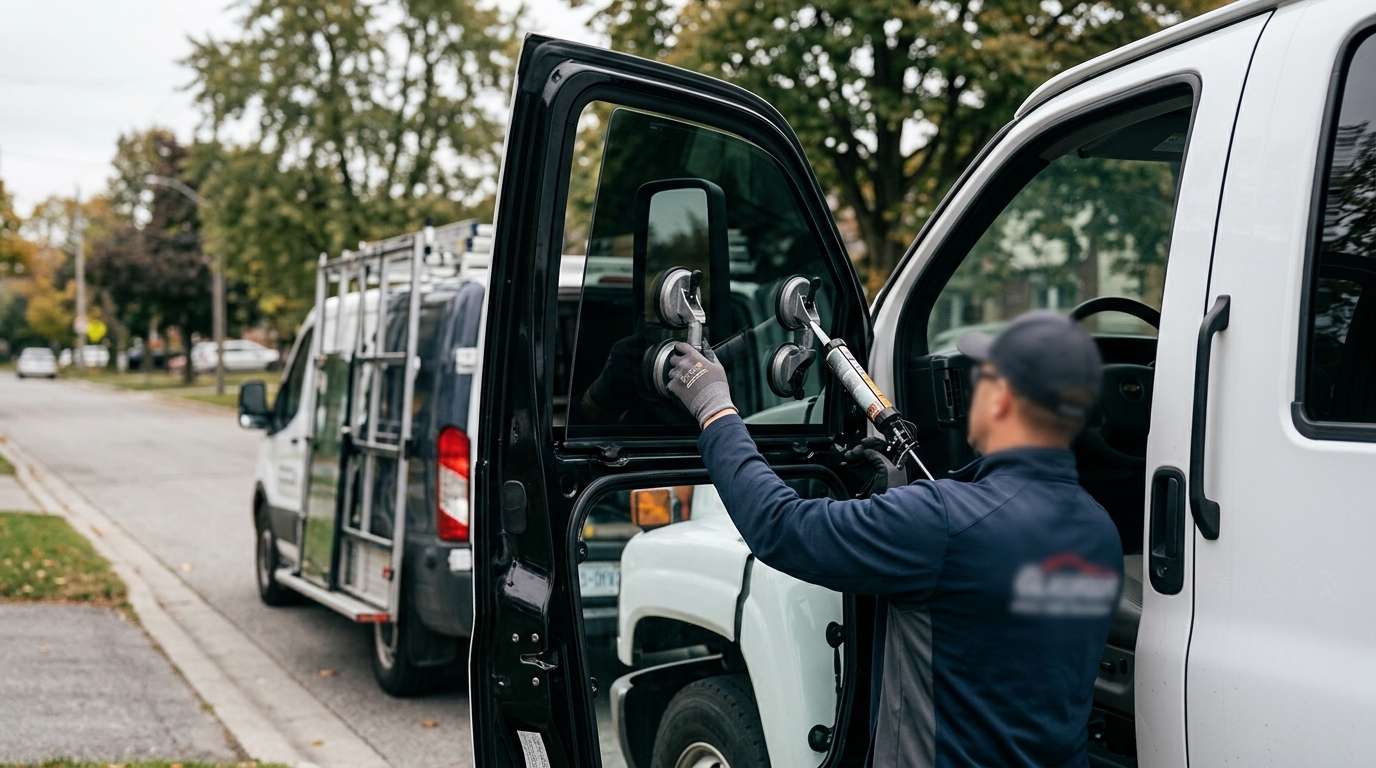
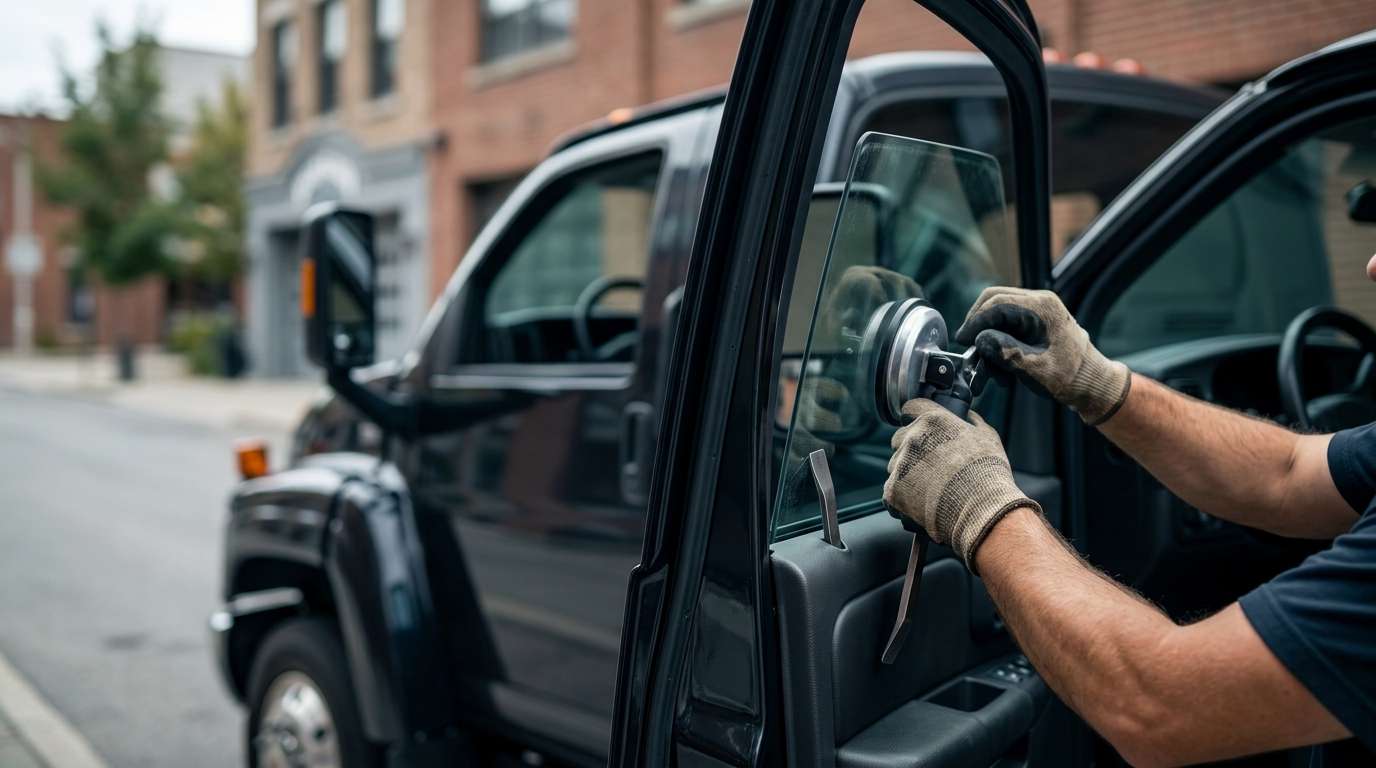
Physical binding is equally common. The small plastic track shoes that pull the glass carriage forward degrade and crack. When one side drags behind the other, the carrier twists in the aluminum channels, triggering the motor's built-in pinch protection to kick the roof back open. I travel directly to your driveway or workplace anywhere in the Greater Toronto Area to swap damaged panels and sort out mechanical binding on-site, saving you the hassle of driving an open car through unpredictable weather.
Achieving Quiet Wind Sealing via Perimeter Height Adjustment
A replacement panel will generate harsh buffeting or whistling above 80 km/h if it is simply bolted in without setting the factory mechanical offsets. The roof frame does not rely on adhesive to lock the glass down; instead, four Torx screws hold the glass carrier brackets to the sliding mechanism. These fasteners hide behind flexible rubber concertina bellows clipped along the left and right interior edges.
- Concertina bellow removal: Carefully unhook the rubber accordion covers from the inner carrier to expose the two front and two rear Torx mounting screws.
- Leading edge alignment: Set the front edge of the glass roughly 1 mm below the adjacent steel roof skin to prevent oncoming highway air from catching the seal lip.
- Trailing edge alignment: Position the rear edge roughly 1 mm above the roof sheet metal, which creates a smooth laminar airflow ramp across the roof joint.
- Torx securing: Tighten the carrier hardware evenly while maintaining lateral gaps around the perimeter weatherstrip to avoid binding the tracks during the initial tilt cycle.