Sedan Door Vent Versus Avant Cargo Glass Differences
Replacing broken side glass on this vehicle requires knowing whether you drive the four-door saloon or the five-door Avant wagon, because the two layouts share zero glass architecture. On the sedan, there is no body quarter glass behind the rear door frame. The stationary glass is a small triangular rear door vent panel nestled directly inside the door sash, positioned behind a bolted vertical division bar that separates it from the primary drop glass. The Avant wagon uses a dedicated, full-size cargo quarter window bonded straight to the vehicle aperture sheet metal. When sourcing replacement glass, the dealer base references for the Avant wagon cargo windows are 8D9 845 299 for the driver side and 8D9 845 300 for the passenger side, typically designated under NAGS catalog foreign quarter sequences.
Every factory panel is single-layer toughened tempered safety glass carrying Audi's signature green solar heat-absorbing tint, commonly stamped as Green Tint or GS2. On the Avant, the glass is manufactured with an encapsulated outer perimeter moulding that came from the factory in either matte black or a bright anodized aluminum finish. Avant wagons fitted with the Audi Symphony audio package integrate an active AM/FM diversity antenna grid directly onto the inner surface of the side cargo glass. When this glass shatters, radio reception drops off immediately because the amplifier connections behind the interior trim panels lose their signal pathway.
Dismantling Sedan Door Subframes and Avant Interior Trims
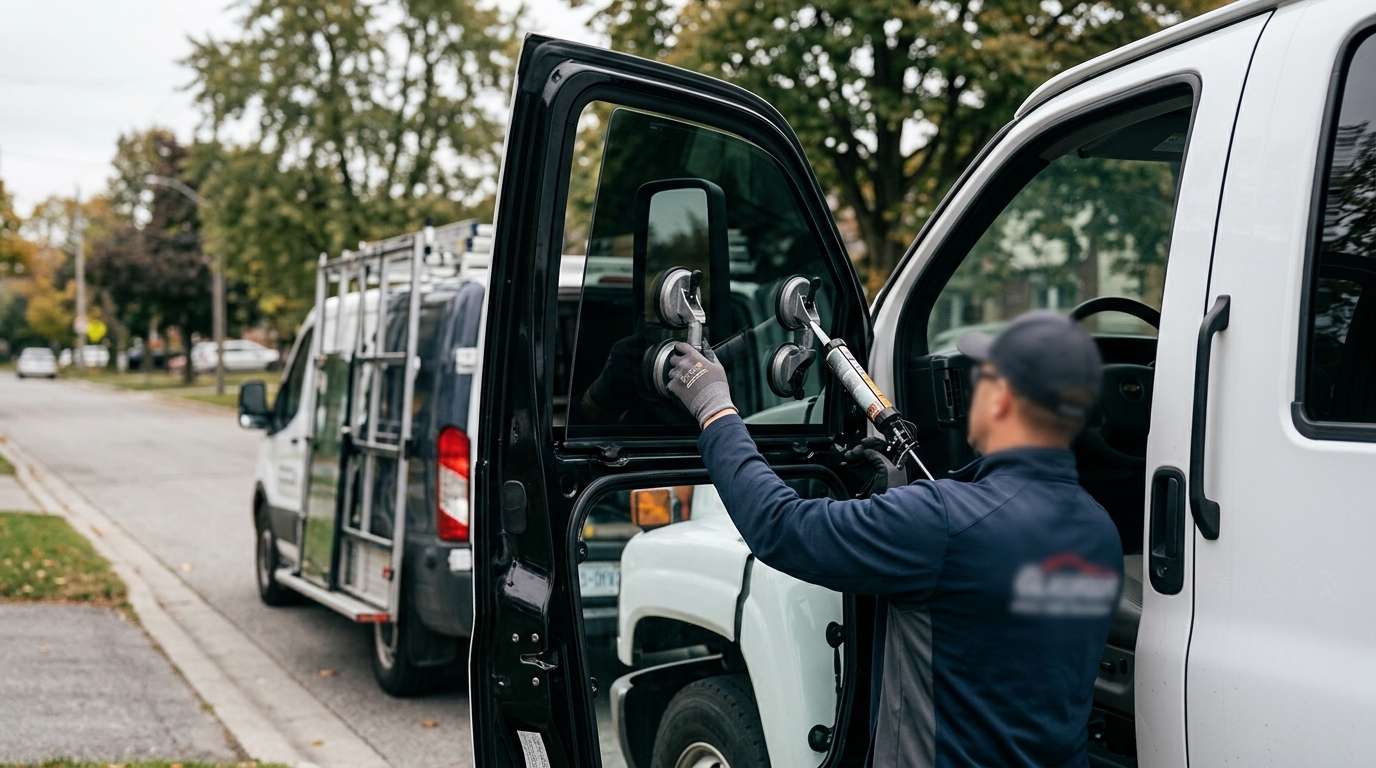
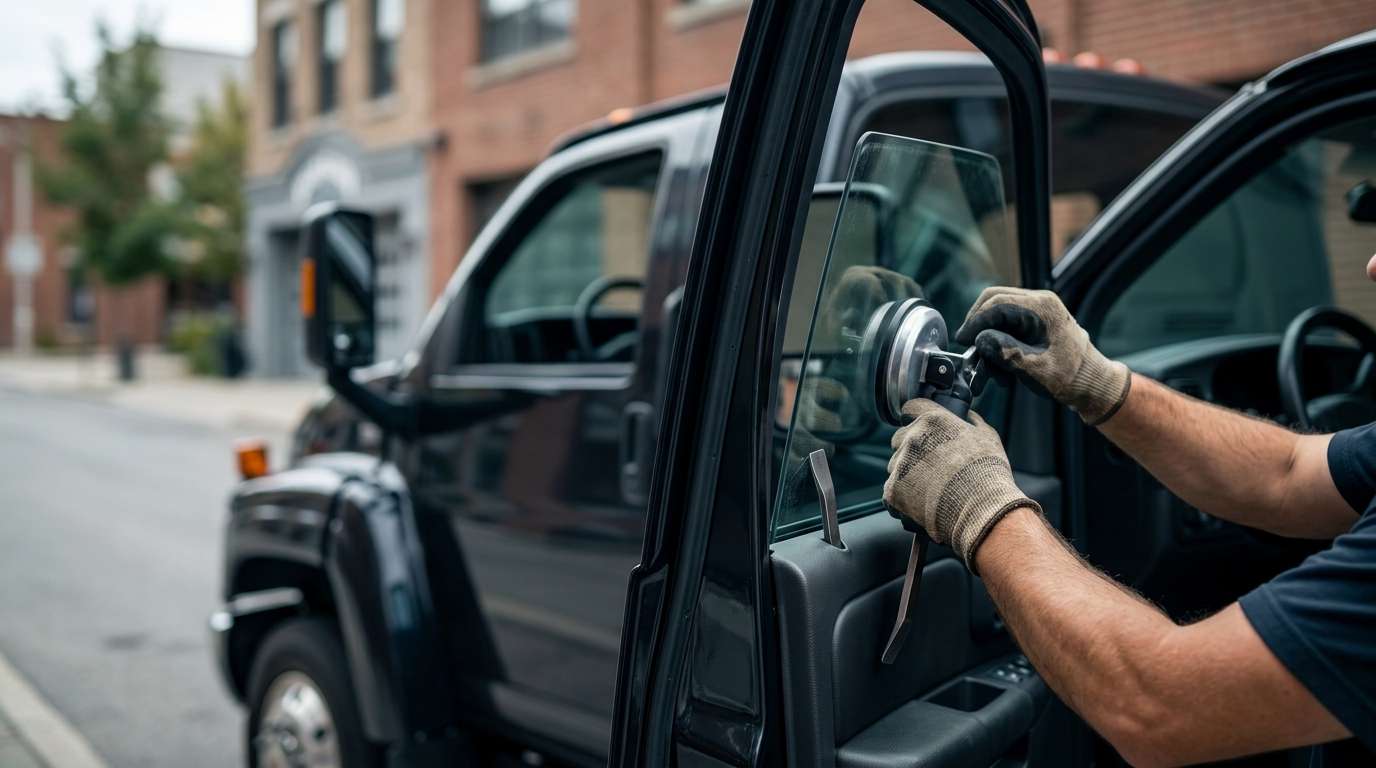
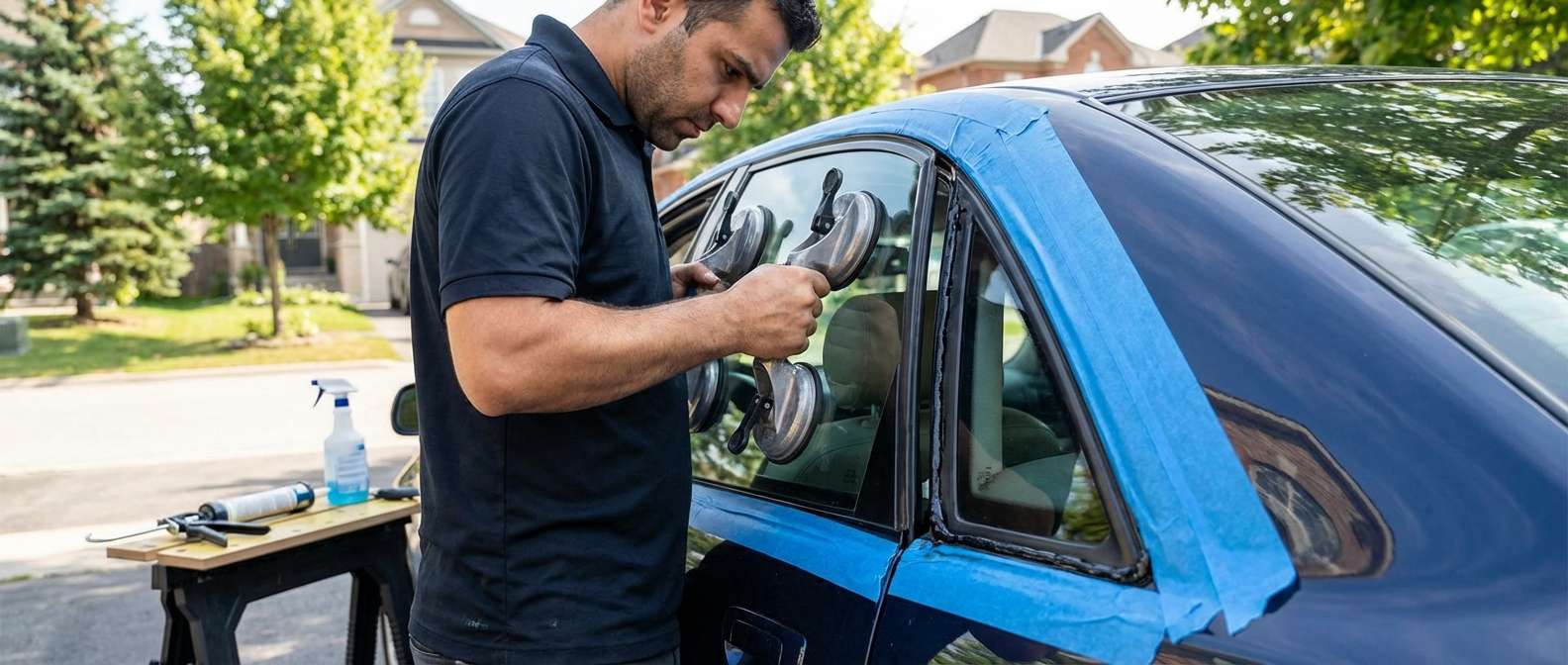
Getting access to install replacement glass requires completely different disassembly paths on the two body types. On the sedan, swapping the rear door vent glass requires taking off the interior door card, unplugging the harness connectors, and unbolting the entire inner window cassette frame assembly from the door shell. Because the sedan uses a fully framed window design rather than a frameless setup, the vent glass must slide cleanly into its EPDM rubber run channel before the vertical division post is torqued back into position against the cassette.
When an Avant wagon comes across my schedule, I can usually be at your vehicle about an hour after booking to inspect the broken cargo pane and match the trim style. Accessing the mounting flange on the wagon means carefully stripping out the rear interior cabin. The D-pillar trim, upper C-pillar covers, and lower cargo side wall panels all have to come off so the pinchweld reveal is completely clear and the delicate snap-on terminals for the diversity antenna module are safely disconnected.
Combating Trim Oxidation and Encapsulation Failures
Long-time owners frequently post about the cosmetic failure of the exterior quarter glass surrounds on the Avant. The encapsulated brightwork trim is notorious for milkiness, severe surface oxidation, and peeling clear coats after decades in the sun. Because the anodized aluminum strip is chemically bonded into the outer rubber moulding directly during factory manufacturing, you cannot pull the trim strip off to polish or refinish it without destroying the rubber seal. Attempting to pry a salvage Avant window out of a parts car with standard metal pry tools almost always bends the aluminum channel or shatters the tempered panel instantly.
The rubber encapsulation edge on older wagons also suffers from extreme dry rot and edge cracking. Over time, road dirt, pine needles, and runoff collect behind the crumbling rubber lips along the cargo aperture. When the window is broken during a break-in or severely compromised by weather checking, installing a fresh panel with an intact, pliable perimeter seal restores the acoustic quietness of the cargo area and stops wind rush along the rear roofline.