Frameless Doors and the DBS Superleggera Aeroblade Duct
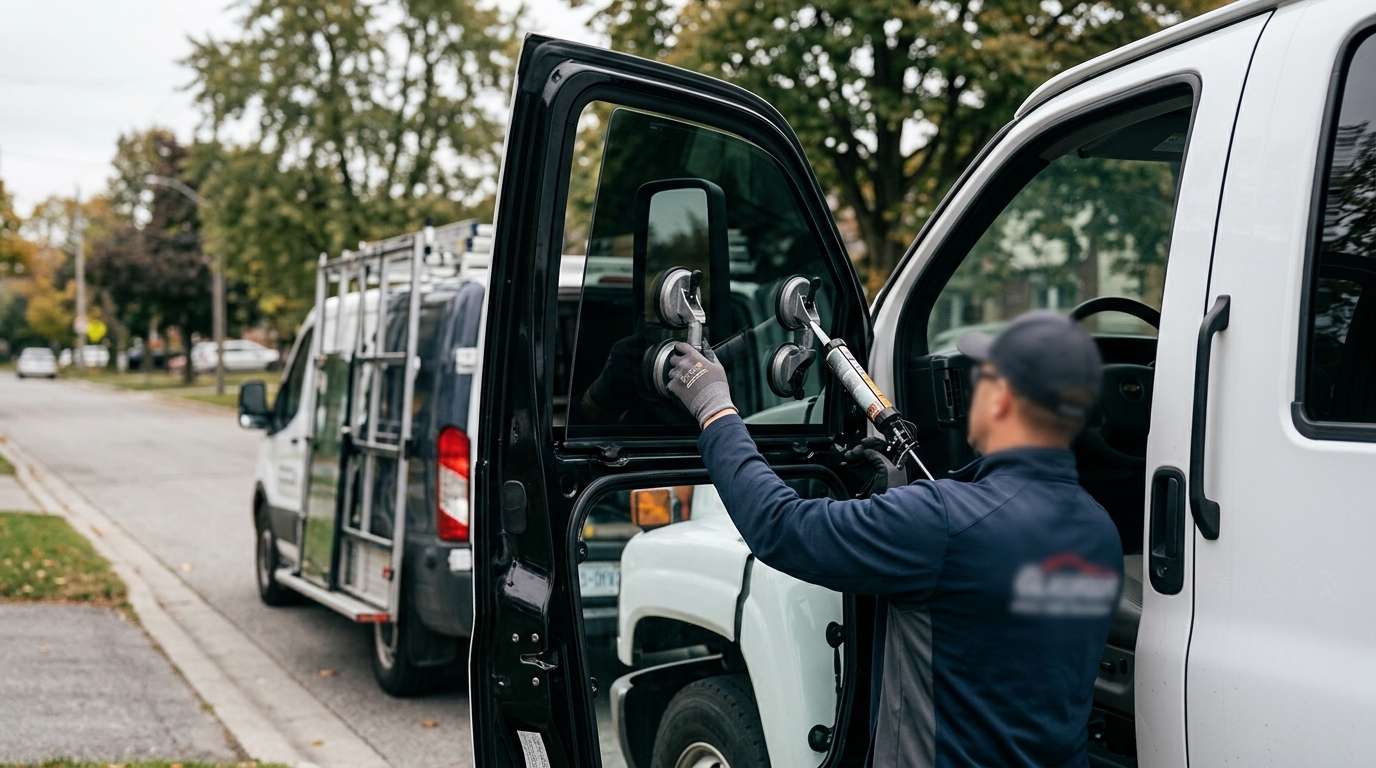
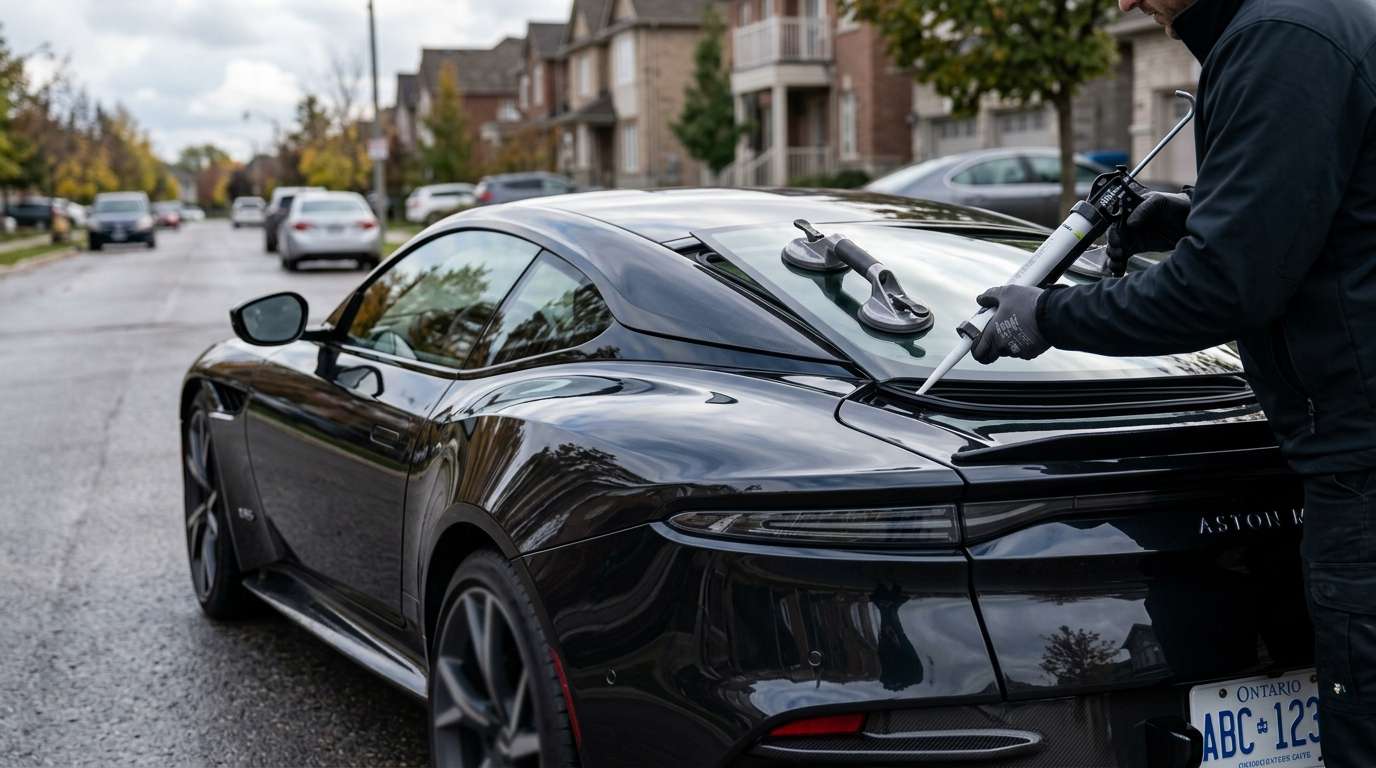
Replacing the rear quarter glass on the DBS Superleggera coupe means working around an aerodynamic intake system rather than standard steel sheet metal. Because the vehicle uses a frameless door glass setup without an external B-pillar or mechanical division bar, the front edge of this fixed rear window directly establishes the visual sightline and weather seal for the drop glass. Just behind the rear edge of the glass sits Aston Martin's functional Aeroblade opening—a dedicated channel engineered into the bonded aluminum C-pillar that scoops high-velocity air off the side glass and funnels it straight through the inner rear bodywork to vent over the decklid spoiler lip. When owners report wind whistling or a distinct air rush behind their ears at highway speeds, it almost always traces back to a minor misalignment between the quarter glass perimeter and this aerodynamic duct. The glass shares its bonded aluminum architecture with the DB11 coupe, sitting recessed directly beneath the continuous floating roof cant rail finisher. Whether that roof trim is specified in gloss black, exposed 2x2 twill carbon fiber, or clear anodized aluminum, the top margin of the quarter glass must align perfectly flush with the cant rail edge to keep the Aeroblade intake path turbulence-free.Trim Clearances and Glazing Variations
The DBS Volante drops this fixed glass entirely in favor of fully retractable rear quarter windows, meaning this stationary, direct-glazed panel exists purely on the two-door coupe. Accessing the interior perimeter requires handling the bespoke cabin trim with extreme caution; the glass aperture is rimmed on the inside by hand-stitched Bridge of Weir leather or Alcantara C-pillar trim panels that meet the rear parcel shelf. While dealer networks source parts through numbers like HY53-29711-AA for the left and HY53-29710-AA for the right, I supply and install aftermarket glass sourced from established manufacturers like Pilkington, PGW, FYG, and XYG to match the original factory green solar-control acoustic tint. Unlike the windshield or front doors, this stationary panel has zero moving mechanical regulators, heated defroster elements, or camera hardware. It functions purely as a rigid acoustic and aerodynamic boundary.| Component / Specification | DBS Superleggera Coupe Design |
|---|---|
| Glass Structure | Solid stationary tempered safety glass with acoustic solar tint |
| Chassis Interface | Directly set into the bonded extruded aluminum rear quarter aperture |
| Upper Exterior Edge | Flush-fitted against the floating roof cant rail finisher |
| Trailing Aero Element | Adjacent intake duct for the integrated Aston Martin Aeroblade system |
Post-Replacement Inspection Checklist
Once the new quarter window is positioned and cured, take a few minutes to inspect the fine tolerances around the vehicle's unique exterior contours and interior upholstery:- Inspect the leading vertical edge where the frameless door window closes against the quarter glass seal, making sure the drop-glass indexes smoothly without catching or pinching rubber.
- Sight along the upper cant rail finisher to verify that the top edge of the replacement glass sits dead-level with the trim piece across its entire length.
- Examine the opening to the Aeroblade duct at the trailing edge of the window, confirming the perimeter gap is even and that no seal material intrudes into the high-speed air channel.
- Check the interior C-pillar and parcel shelf leatherwork to confirm that the hand-stitched Alcantara or leather panels sit completely flat against the inner window frame with no loose clips or stretched material.
- Take the car up to cruising speed with the audio system turned off to confirm there is no high-pitch wind whistle originating from the cant rail seam.