Dealing with Road Noise, Rattles, and Door Glass Breakage
Owners of the current Integra frequently discuss the cabin noise levels on highway drives, often surprised to discover that every trim—from the Base and A-Spec up to the A-Spec Technology and Type S—leaves the factory with single-layer tempered side windows rather than laminated acoustic glass. Because the glass lacks an acoustic interlayer, broken side glass shatters completely into small pebble-like granules. When that happens, the loose debris drops straight into the bottom of the framed door sash, settling around the cable-driven window regulator and the door speaker cavity.
Another regular topic among Integra drivers involves unwanted cabin noises before any glass even breaks. Enthusiasts often track down distinct buzzing sounds or persistent rattles inside the door cards to loose harness clips, exterior door handle linkages, or regulator bracket bolts vibrating against the interior steel door skin. Furthermore, tight factory window run channel seals can cause the roll-down glass to squeak or bind during upward travel, putting unnecessary drag on the motorized cable tracks.
Integra Door Glass Hardware and Factory Details
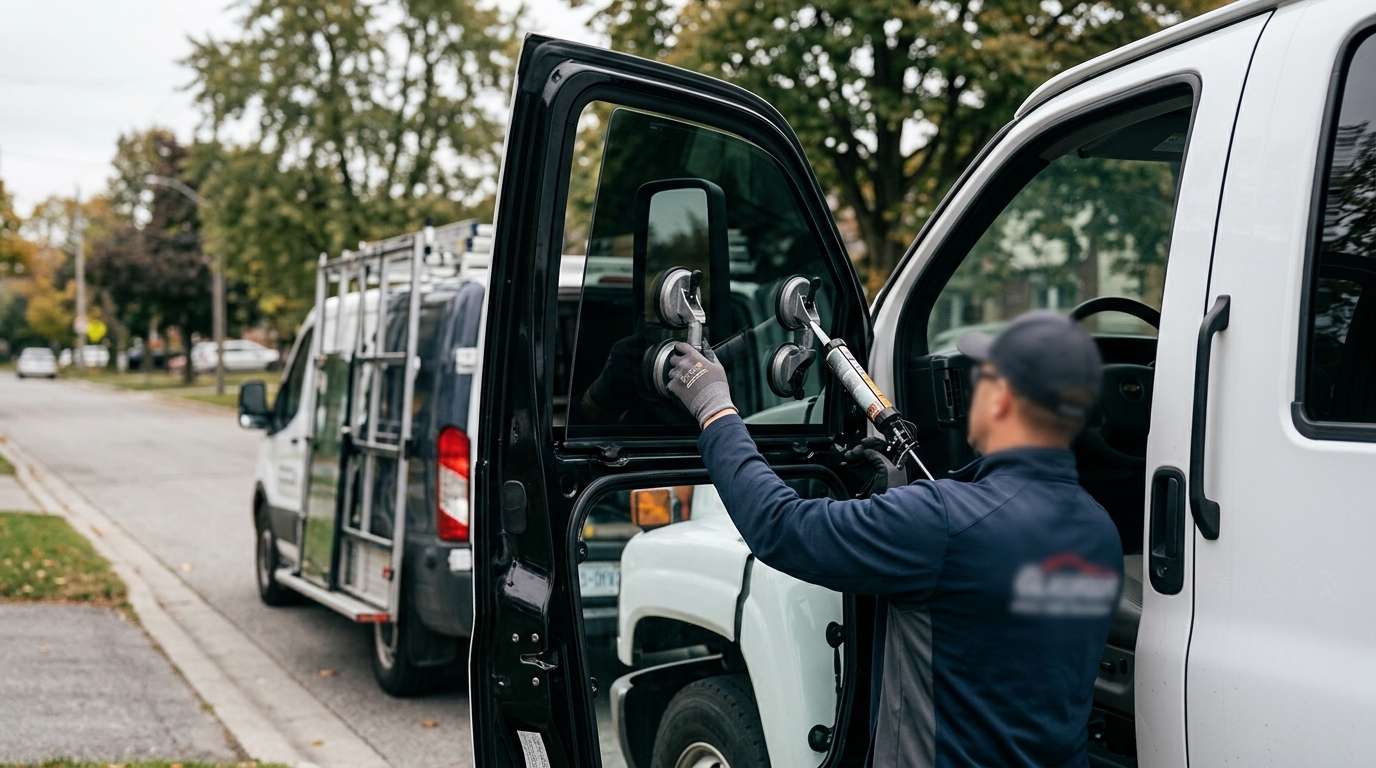
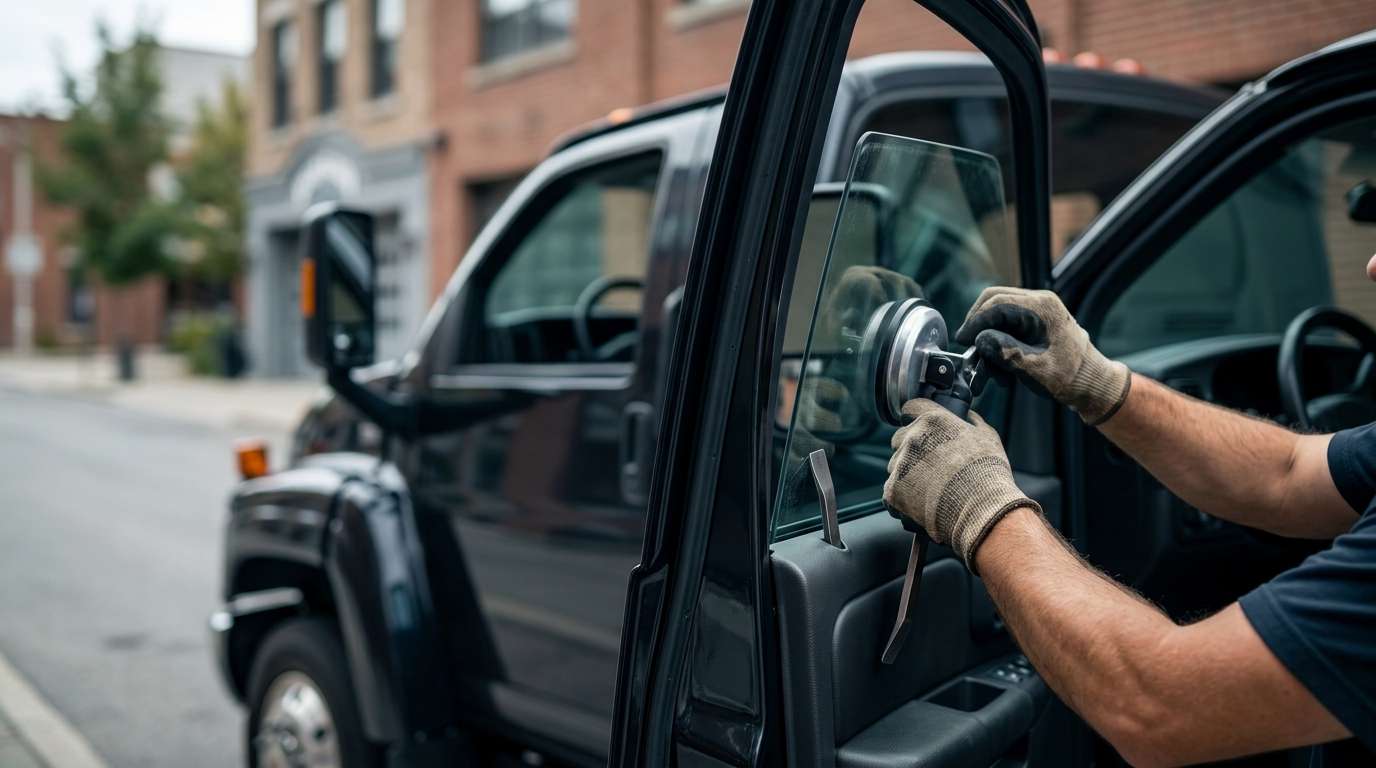
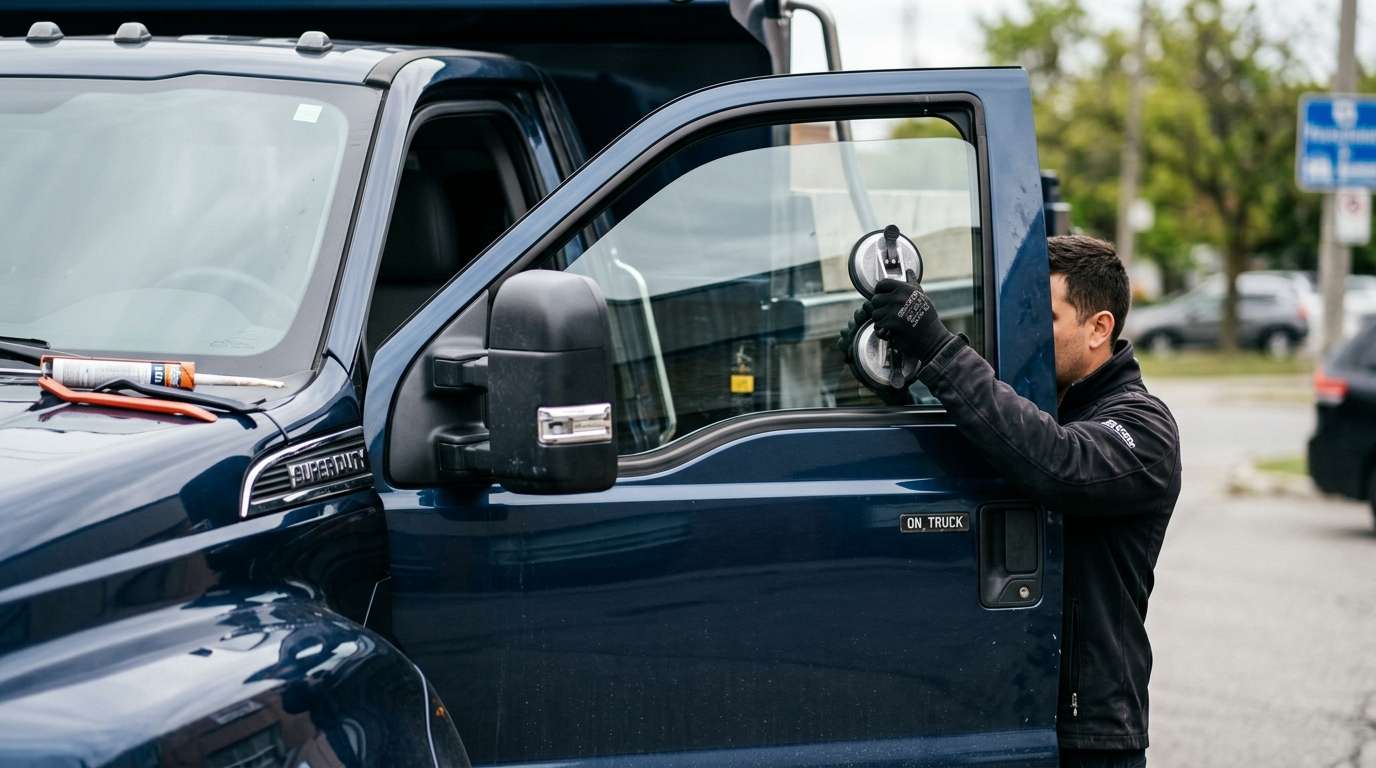
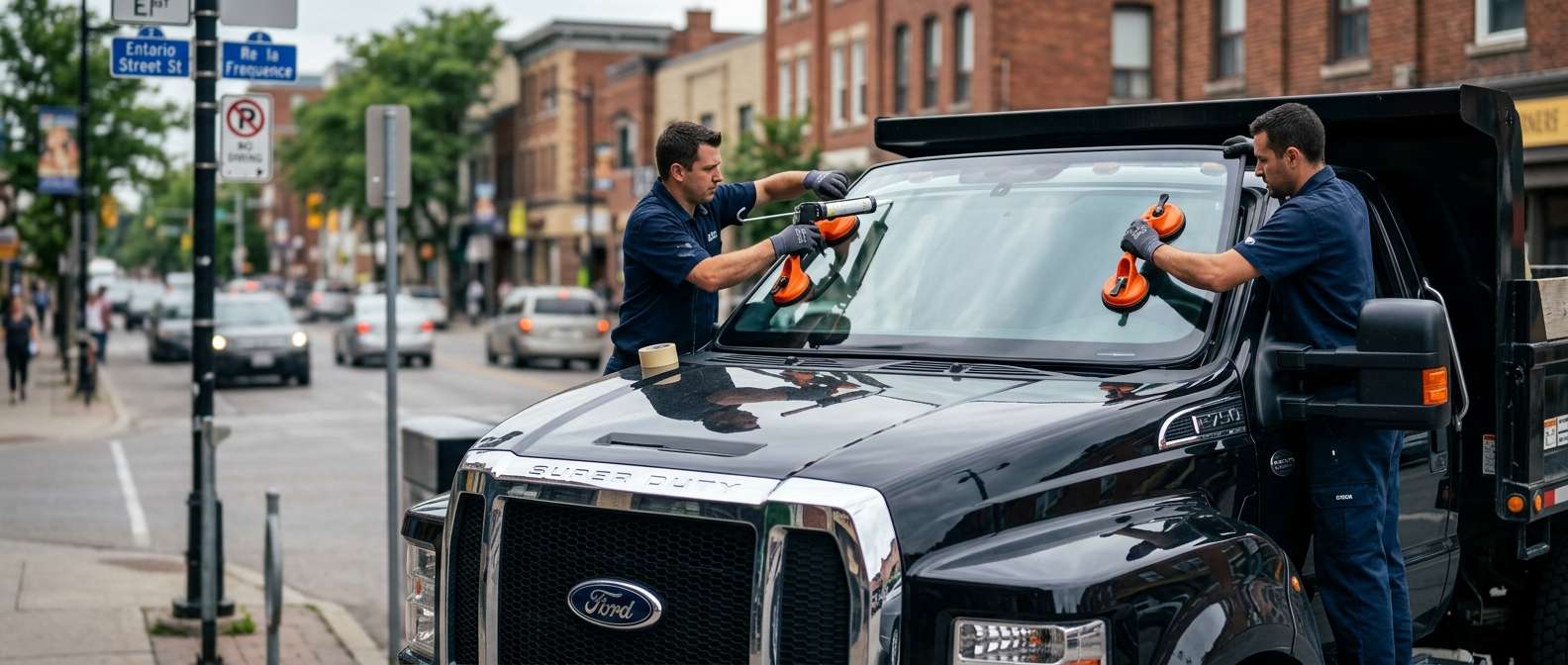
Unlike frameless sport coupes, the car features fully framed upper door sashes. The door glass rides along dedicated rubber guide channels and bolts directly into bottom sash brackets connected to the regulator assembly. I run a mobile-only service and carry out every replacement directly at your home or workplace across Toronto and the GTA, ensuring all shattered glass is cleared from inside the door frame before seating the new panel.
Whether you need the front left pane (matching dealer reference 73350-3S5-A01) or the front right pane (73300-3S5-A01), aftermarket replacements follow the exact curvature and 70% light green solar tint of the original AGC Automotive glass. The rear doors utilize single-piece roll-down panes (reference 73450-3S5-A01 for the left and 73400-3S5-A01 for the right) separated from the rear quarter structure by a vertical division bar. There are no embedded electronics, integrated antennas, or heating elements on any of the side window panes.
| Glass Position | OEM Reference | Glass Construction | Factory Solar Tint |
|---|---|---|---|
| Front Left (Driver) | 73350-3S5-A01 | Tempered Safety Glass | 70% Minimum VLT (Green Solar) |
| Front Right (Passenger) | 73300-3S5-A01 | Tempered Safety Glass | 70% Minimum VLT (Green Solar) |
| Rear Left (Driver Side) | 73450-3S5-A01 | Tempered Safety Glass | 70% Minimum VLT (Green Solar) |
| Rear Right (Passenger Side) | 73400-3S5-A01 | Tempered Safety Glass | 70% Minimum VLT (Green Solar) |
What to Check Inside the Door Cavity
Whenever a side window shatters or fails to raise properly, the inner door assembly requires close attention beyond simply swapping the glass:
- Vapor Barrier and Adhesive: The plastic moisture barrier beneath the door card must be carefully peeled back without tearing the butyl bead, preventing water leaks into the front footwells.
- Regulator Cable Tension: If the glass dropped suddenly before breaking or produced a grinding crunch, the cable guides on the lift mechanism may have unspooled or frayed.
- Run Channel Alignment: Squeaking during roll-up operation indicates that the rubber guide seals seated inside the metal frame have pinched or accumulated road grit.
- Bottom Sash Mounting Clips: The replacement glass features integrated bottom mounting tabs that must be torqued precisely into the regulator carrier to prevent future rattling.
Does the Type S come with thicker acoustic side door glass?
No. Even the high-performance Type S trim uses standard single-layer tempered safety glass across all four doors, sharing the same basic window geometry and light green solar tint as the Base and A-Spec trims.
Can broken glass damage the door lock rods or speaker?
Yes. When tempered door glass breaks, sharp fragments drop behind the vapor barrier, where they can collect around the bottom of the audio speaker, jam the mechanical latch linkages, or obstruct the lower drainage ports at the bottom of the steel door shell.
Why does my window move slowly or stick on hot days?
Integra owners frequently note that the upper rubber window run channels fit very snugly. In hot weather, the rubber expands and grips the bare glass edges, creating friction that slows the motor until the tracks are properly cleaned and seated.